The Quiet Radicalism of James Joyce’s Ulysses
On Bloomsday, we’re celebrating James Joyce’s Ulysses. It’s one of the greatest novels ever, and it calls forth a world where every named and unnamed minor character gets to be the hero. What could be more socialist?
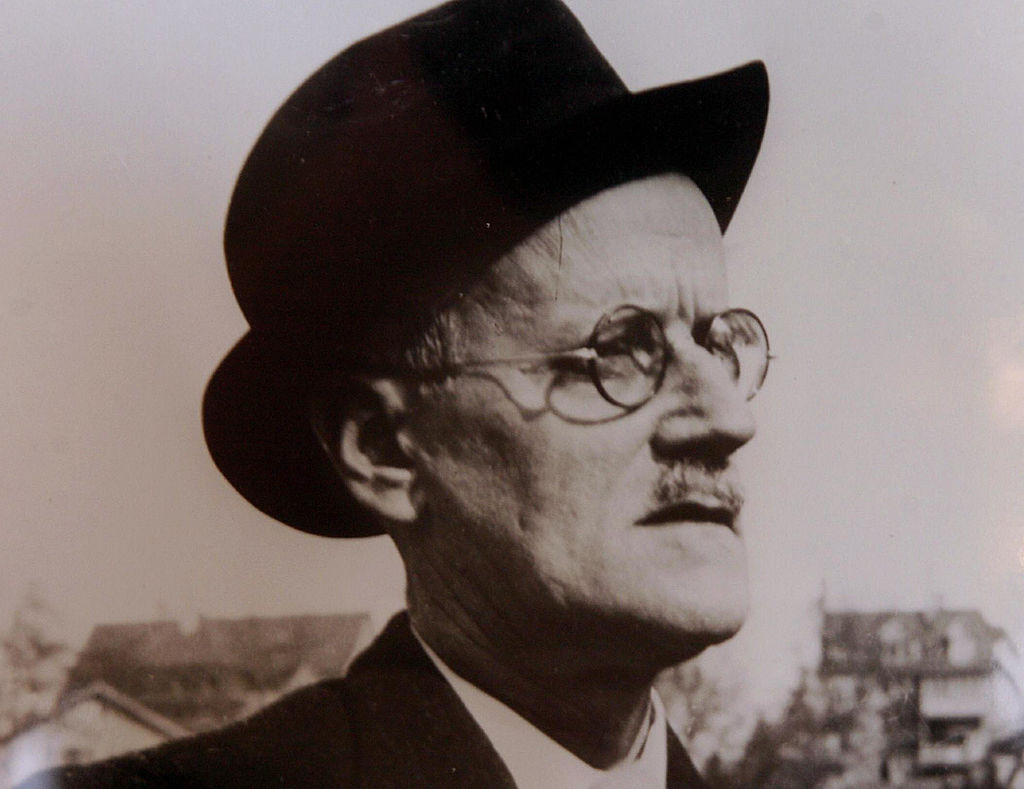
James Joyce in Dublin, Ireland. (Fran Caffrey / AFP via Getty Images)
Today is Bloomsday, an annual celebration of James Joyce’s Ulysses.
Ulysses describes a single day in the life of modern Dublin, on June 16, 1904. Famously modeled on The Odyssey, its narrative is focused on two characters, Leopold Bloom, a middle-class everyman and Stephen Daedalus, a downwardly mobile intellectual. Its world, however, is populated by many other men, women, and children from all walks of life.
Ulysses is also a microcosm of the material forces that govern life: it explores everything from the colonial nation-state and the capitalist economy to matters of class, race, gender, sexuality, and belief, ultimately wondering what it might mean to be alive in the modern world. Ulysses is, for its most affectionate readers, a living picture of the infinitely complex calculus of human action and desire.