During the 1971 Prosecution of Angela Davis, I Fought the Law — And I Won
When Angela Davis was arrested after two months on the lam in 1971, Michael Myerson interviewed her and a codefendant in jail — turning him into a prosecution’s witness. He was now in a tough spot: Could he defy the prosecution without going to jail for perjury? Luckily, he figured out how.
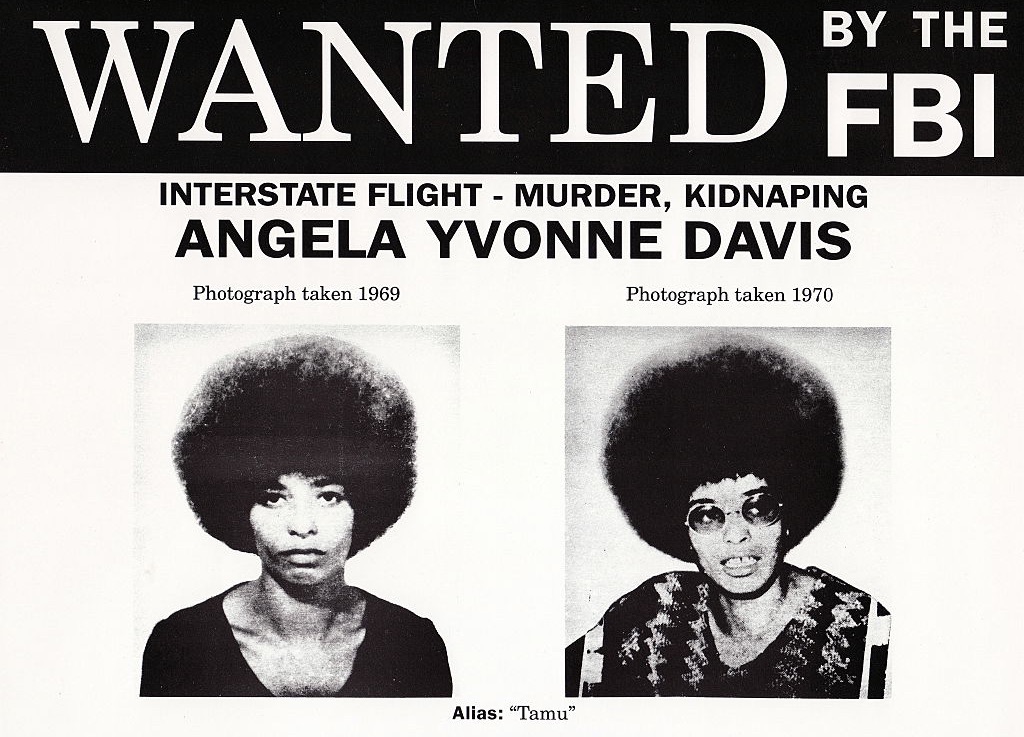
The FBI “Wanted” poster for Angela Davis. (Universal History Archive / Universal Images Group via Getty Images)
It was 1971 and, being young, single, a political activist, and a New Yorker, I wasn’t home much at my third-floor walkup in Greenwich Village except to sleep. One night in March, my across-the-hall neighbor poked her head out of her apartment to nervously tell me that “federal marshals” had been trying all day to find me.
I couldn’t think why the feds wanted to talk to me but figured it couldn’t be anything good. So, the next morning, I packed a couple of things and moved into Susan Sontag’s vacant apartment on the Upper West Side for a few days.
Susan and I had become close friends after being invited guests in Havana for the Cuban Revolution’s tenth anniversary celebrations in 1969. I had nowhere near her intellectual firepower — not many did — but I held my own with her in political debates, and she was amused, amazed, and intrigued that I was a real, live, actual US communist. What’s more, I was one with a sense of humor — even about the party — and with an anti-authoritarian bent. She lived part of the year in Paris, and I sometimes stayed in her apartment.