We Obtained New FBI Documents on How and Why Fred Hampton Was Murdered
FBI files related to the 1969 murder of Fred Hampton, newly obtained by Jacobin, shed light on two key aspects of the bureau’s anti–Black Panthers operation: one, FBI informant William O’Neal was more vital — beyond helping murder Hampton — than previously understood. Two, sabotaging the Panthers’ ability to work with other organizations was an explicit FBI goal.
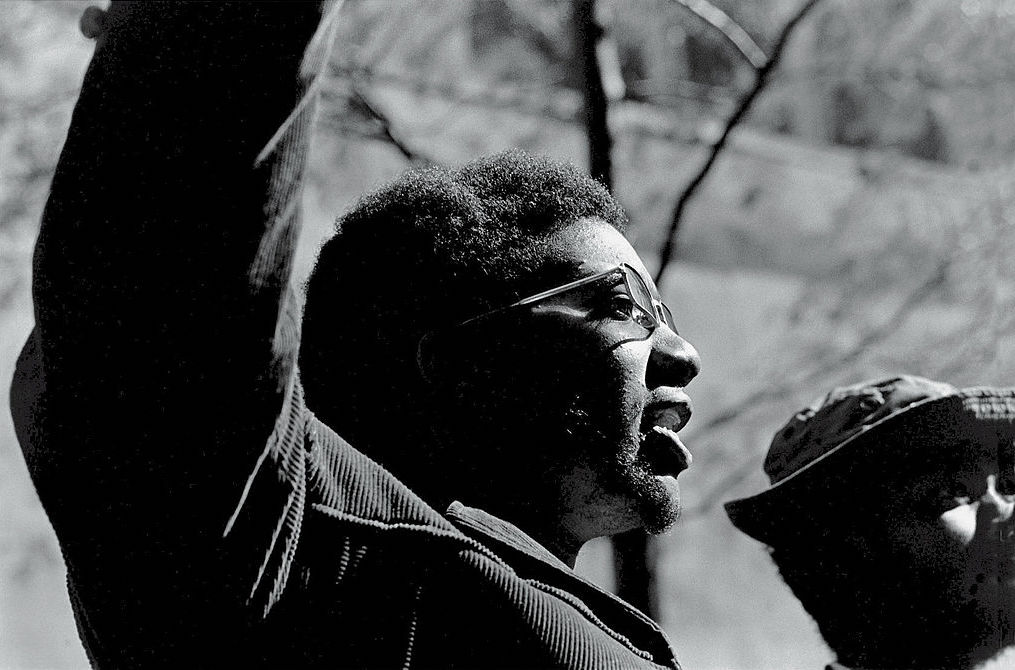
Fred Hampton at a rally, in Chicago, Illinois, 1969. (David Fenton / Getty Images)
The release of Judas and the Black Messiah has once again put the spotlight on the Chicago police and the FBI’s culpability in the murder of Fred Hampton, a rising leader in the Black Panther Party (BPP) in the pivotal year of 1969. In our previous Jacobin article, we documented the bureau’s efforts specifically aimed at Hampton and stressed the need for more information to better understand the circumstances surrounding his murder.
Since then, we have obtained 433 pages of the FBI’s official “COINTELPRO” files on the Chicago Black Panther Party (BPP). Along with this, the FBI, pursuant to a Freedom of Information request by Aaron Leonard, released another 490 pages on their employee, and handler of FBI informant and Black Panther William O’Neal, Special Agent Roy Martin Mitchell.
With this new information, two things come more clearly into focus. First, the FBI counterintelligence operations against the Chicago BPP were particularly focused on sabotaging the group’s ability to join and work with other organizations. Second, bureau informant William O’Neal, who had garnered a leading position in the Chicago chapter, was a far more vital resource — beyond complicity in the murder of Fred Hampton — than has been understood.