Oscar Wilde Wasn’t Just a Satirist. He Was a Socialist.
Much more than just the wit and satirist of his posthumous reputation, Oscar Wilde was a radical thinker who posed a fundamental challenge to the conservative mores of late Victorian England. His thinking on liberation led him to imagine a socialist future in which creativity can flourish across all of society.
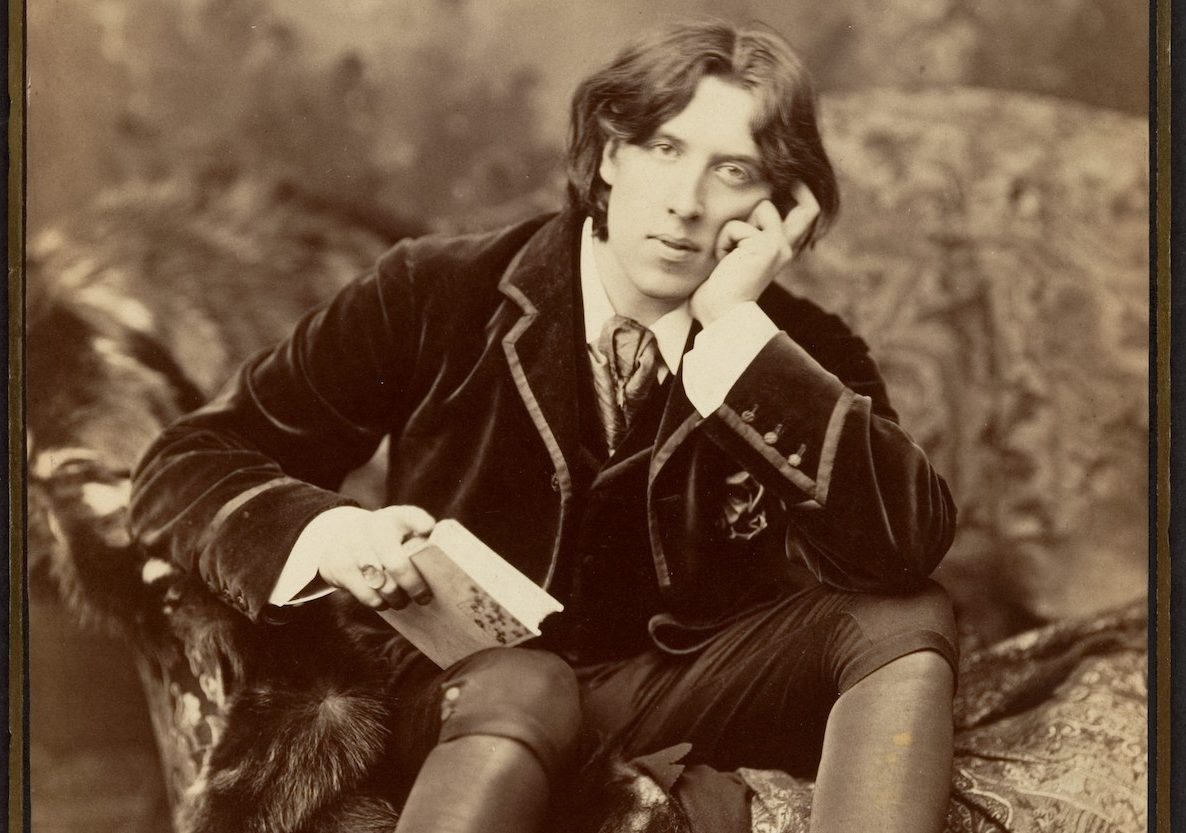
Oscar Wilde in 1882. (Napoleon Sarony / Metropolitan Museum of Art)
When a cultural figure feels as familiar as Oscar Wilde, reconsidering and repackaging their works becomes a genuine challenge. Verso’s new anthology In Praise of Disobedience: The Soul of Man Under Socialism and Other Writings, edited by novelist and playwright Neil Bartlett, takes an innovative approach, focusing on Wilde’s output of a single year: 1891.
This was a year when Wilde was at the height of his creative powers, confirming his growing reputation as a talented yet scandalous author by publishing the final version of his only novel, The Picture of Dorian Gray. He built on it with two volumes of short fiction, an essay collection, and “The Soul of Man Under Socialism” — his most serious attempt at bringing his well-documented interest in aesthetics into political theory.
It’s impossible to read Wilde today — especially the barely concealed homoerotic relationships of The Picture of Dorian Gray, which feature in the extracts in this collection — without thinking about his trial and imprisonment for “gross indecency” in 1895 and his attendant public disgrace. Hoping to rehabilitate him, Wilde’s supporters tended to domesticate him and his works — a process that began far more quickly than contemporary readers might imagine. His essay “The Soul of Man Under Socialism” was reprinted just five days after his conviction — albeit in a private edition of fifty copies, with its text truncated and its title cut down to “The Soul of Man.” Opening with this piece, its title restored, Bartlett reminds us that during Wilde’s lifetime, his “radicalism, not his charm, was at the core of his reputation,” and that for all his aphoristic irony, Wilde’s statements should always be taken seriously.