Marshall Sahlins (1930–2021)
The radical anthropologist Marshall Sahlins died earlier this month. Throughout his long career, he refused to divorce his academic work from his political commitments. He was an exemplar of a radical intellectual working within the university to change the world.
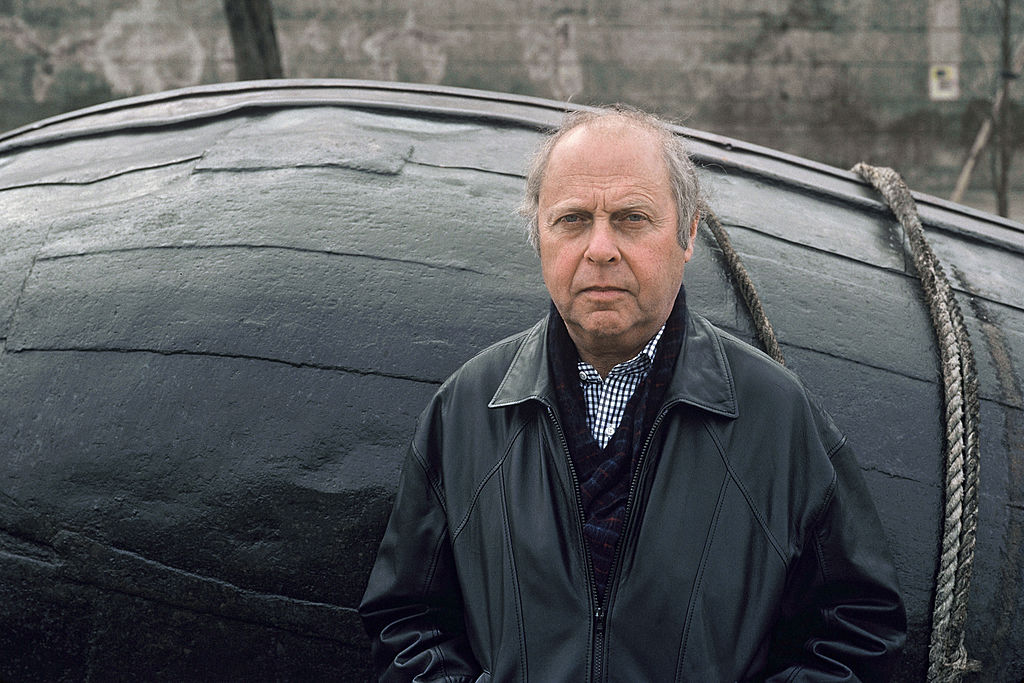
Marshall Sahlins in 1999 in Paris, France. (Photo by Ulf Andersen/Getty Images)
Marshall Sahlins, who passed away at ninety on April 5, was not only the most notable anthropological writer of his generation; he was also a profoundly radical — and influential — thinker with a genuine commitment to political action.
There are many in the academy who fear that political engagement dilutes or undermines the purity of theoretical reflection. Sahlins’s life and work stands as a clear corrective to that position. Throughout his career, he was motivated by his opposition to oppression wherever he saw it, be it toward marginalized populations targeted by economic and military expansionism or toward academic communities threatened with the curtailment of their intellectual expression.
It is this commitment that underpinned so much of his pioneering theoretical work, such as his critique of the universal application of neoclassical economics in Stone Age Economics. That collection of essays marks one of the most powerful challenges on record to the assumed natural universality of the allegedly rational economic actor that haunts economic textbooks.