The Paris Commune Is Still a Beacon for Radical Change
- Patrick Camiller
On this day in 1871, the working class of Paris seized control of the capital and established the Commune. Though it ruled for just two months, the world’s first workers’ government still stands as a vivid example of the kind of society workers themselves can create, according to their own vision of freedom and equality.
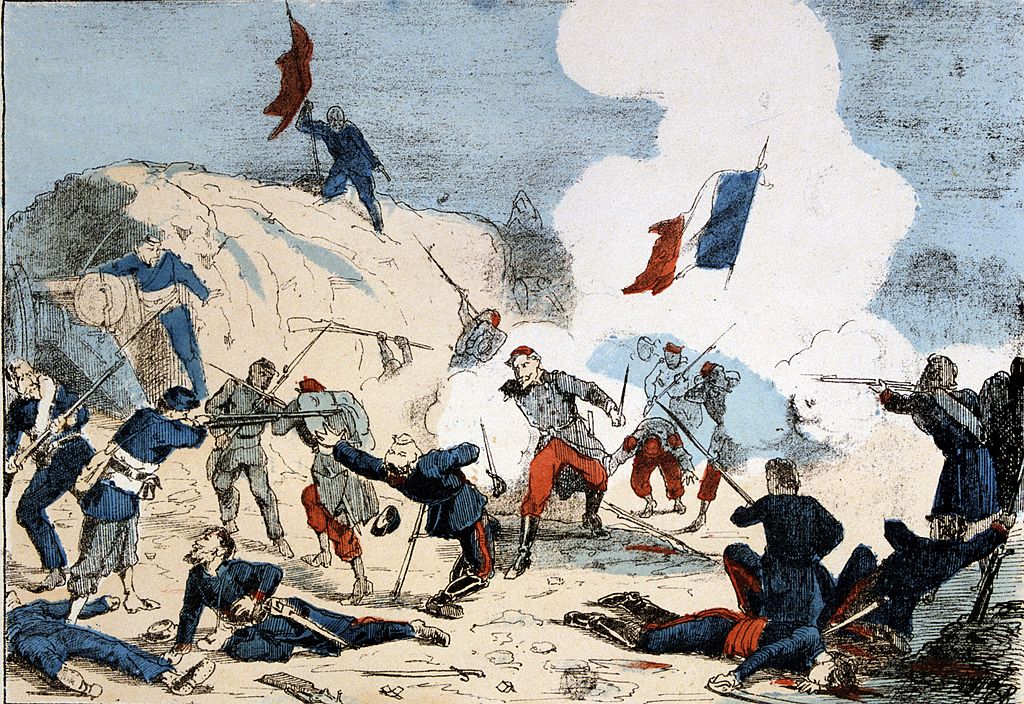
Colored lithograph portraying the Paris Commune of March 26–May 28, 1871. (Universal History Archive / Getty Images)
The bourgeois of France had always come away with everything. Since the revolution of 1789, they had been the only ones to grow rich in periods of prosperity, while the working class had regularly borne the brunt of crises. But the proclamation of the Third Republic would open new horizons and offer an opportunity for a change of course. Napoleon III, having been defeated in battle at Sedan, was taken prisoner by the Prussians on September 4, 1870. In the following January, after a four-month siege of Paris, Otto von Bismarck obtained a French surrender and was able to impose harsh terms in the ensuing armistice.
National elections were held and Adolphe Thiers installed at the head of the executive power, with the support of a large Legitimist and Orleanist majority. In the capital, however, where the popular discontent was greater than elsewhere, radical republican and socialist forces swept the board. The prospect of a right-wing government that would leave social injustices intact, heaping the burden of the war on the least well off and seeking to disarm the city, triggered a new revolution on March 18. Thiers and his army had little choice but to decamp to Versailles.
Struggle and Government
To secure democratic legitimacy, the insurgents decided to hold free elections at once. On March 26, an overwhelming majority of Parisians (190,000 votes against 40,000) voted for candidates who supported the revolt, and seventy of the eighty-five elected representatives declared their support for the revolution. The fifteen moderate representatives of the parti des maires, a group comprising the former heads of certain arrondissements, immediately resigned and did not participate in the council of the Commune; they were joined shortly afterward by four Radicals.