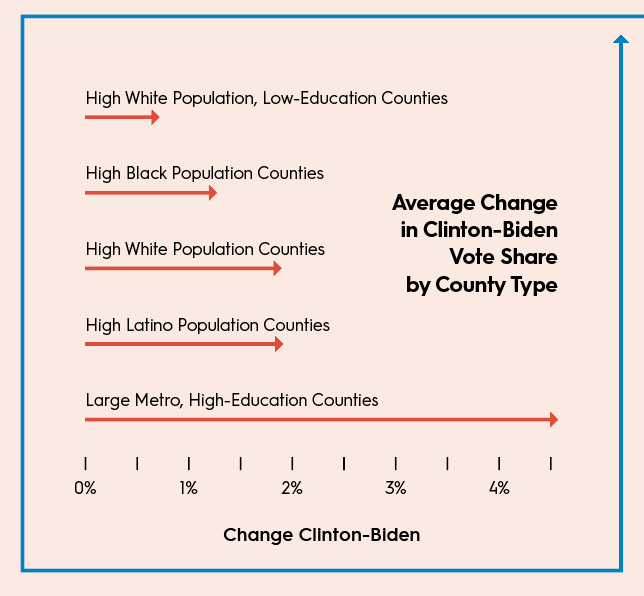
The 2020 Presidential Election and Working-Class Voters
Our findings suggest that the 2020 presidential election represented a continued shift in the base of the Democratic Party from one rooted in working-class voters to a coalition that’s highly concentrated in high-income suburbs.
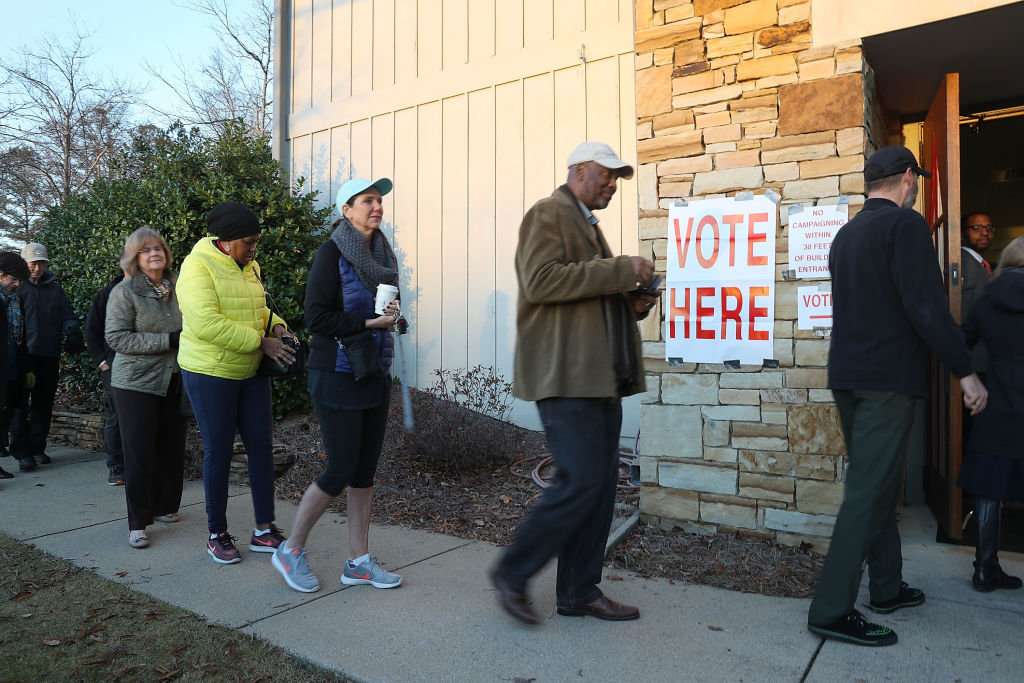
A polling station set up in the St Thomas Episcopal Church in Birmingham, Alabama for the 2020 US presidential election. (Joe Raedle / Getty Images)
Democrats’ hopes of an expanded margin in the House and a clear mandate for their presidential candidate were dashed this November. While more fine-grained precinct-level analyses in the future will offer greater precision and nuance, on the whole, our findings suggest that the 2020 presidential election represented a further consolidation of the Democratic Party’s highly educated, high-income suburban coalition at the expense of its traditional base in a multiracial working class. What follows are some of our key takeaways.
Takeaway #1
Despite Democrats’ appraisal of themselves as the “pro-diversity, anti–white supremacy” party, Joe Biden’s coalition depended, above all, on affluent, white suburban voters.