R. H. Tawney’s Christian Socialism Was a Moral Crusade Against Capitalism
One of Britain's most influential twentieth-century socialists, R. H. Tawney, is often presented as a moralist opposed to Marxist notions of social change. In fact, his Christian socialism was deeply committed to political transformation — marrying a critique of "devilish" capitalism with the burning desire to create a new Jerusalem.
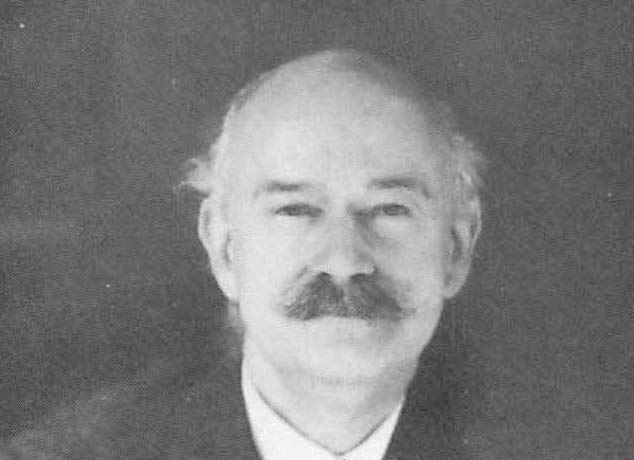
R. H. Tawney insisted on the nonutilitarian case for socialism, and deemed capitalism morally evil.
R. H. Tawney came to socialism through Sunday School. At the age of seven, he was taught there that God made the laws to protect the worthy rich from the vicious poor. This statement made such an impression on him, Tawney later recollected, that he set out to establish the truth of it for himself. In 1962, nearly eighty years on from that formative lesson, the dying Tawney would be eulogized as one of the great socialists of the century.
Today, Tawney is largely forgotten. And even where his ghost is summoned up, it’s usually to serve as a proxy in a particular kind of political dispute. Tawney is used as a representative for “ethical socialism,” a nebulous label best understood by what it’s not: not Marxist, not “extreme,” alive to rhetorical invocations of community and dead to concrete questions of political or economic power.
One such seance was carried out by the Guardian after this year’s Labour leadership election. Immediately after a plea for Labour to offer “constructive criticism” of Boris Johnson’s government came the suggestion that Keir Starmer should turn for guidance to Labour’s “neglected communitarian tradition” — and in particular, to Tawney. Centrist journalists, right-wing Labour politicians, and acolytes of Blue Labour all look to Tawney to justify an apolitical politics; an “ethical socialism” heavy on ethics and light on socialism.