How Julian Assange Beat Extradition
Julian Assange’s defeat of extradition to the United States was a huge victory — one that couldn’t have been achieved without a public pressure campaign. That same public pressure will now be needed to free Assange from prison.
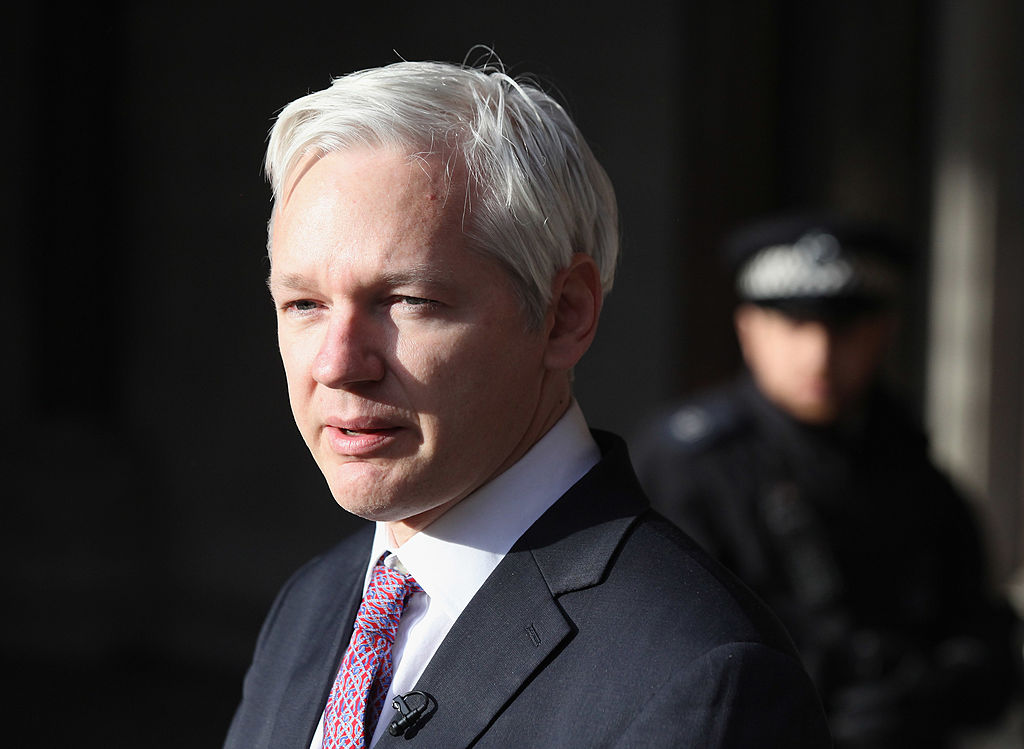
Julian Assange in London, 2011. (Oli Scarff / Getty Images)
As I watched Judge Vanessa Baraitser give her verdict in the Assange extradition case at the Old Bailey yesterday, a deep depression settled over me. I’ve heard every minute of the Assange case from the moment it started in Belmarsh in February last year, through three weeks in September at the Old Bailey, to this forty-five-minute summary of the verdict.
For forty minutes of that three-quarters of an hour the judge rejected every defense argument against extradition. Journalists are allowed to tweet court proceedings as they happen, thanks to a ruling in an earlier Assange hearing.
I watched Assange come into the court and take his seat. At a little after quarter past ten, the judge began by rejecting Assange’s political offenses defense because the extradition treaty wasn’t part of UK law. She went on to say that Assange helped Chelsea Manning to download materials — a line which went along with the prosecutors’ case, including its most dubious claims. Then she said there was no public interest defense.