Rediscovering Europe’s Lost Revolution
Cold War stereotypes have blocked our understanding of European politics after 1945. On both sides of the future Iron Curtain, liberation from Nazism unleashed a spirit of radical democracy that might have led Europe down a very different path if not for superpower intervention.
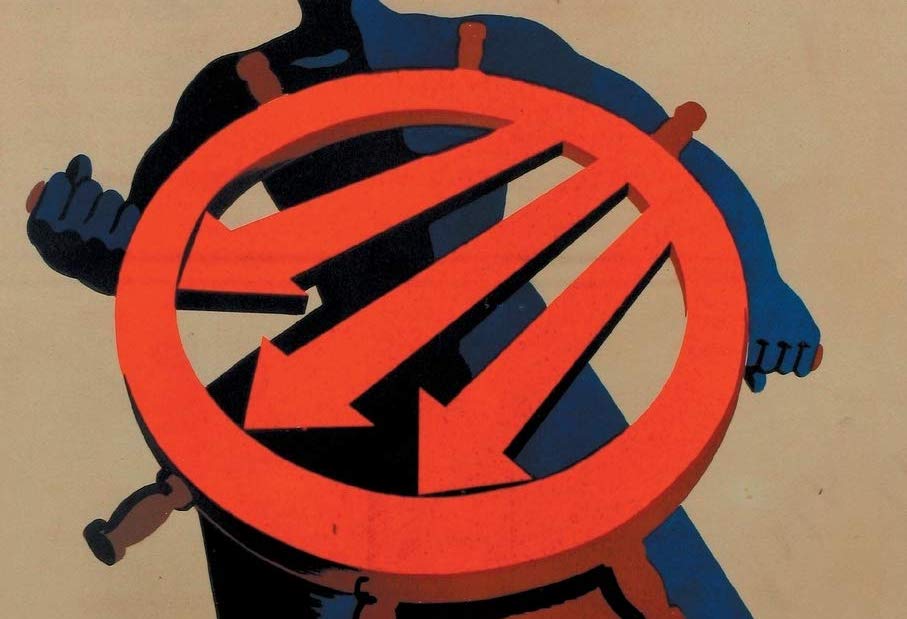
Cover of Socialism Across the Iron Curtain by Jan De Graaf (Cambridge University Press).
Socialism Across the Iron Curtain is an important book. This monograph by Jan De Graaf brings into question the usual manner in which mainstream historians have portrayed a crucial moment in twentieth-century European history.
De Graaf’s work covers Europe’s immediate post-liberation period from 1944 to 1948, and focuses on the evolution of socialist (or social-democratic) parties in these eventful years. It covers four countries in particular, two on each side of the eventual Cold War divide — France, Italy, Poland, and Czechoslovakia — and offers a long-overdue reassessment of two widespread narratives.
A Misleading Orthodoxy
Historians habitually present Europe’s socialist parties as having undergone a more or less straightforward evolution from the time of August Bebel to that of Tony Blair. This perspective depicts social democracy, originally a product of bitterly fought social struggles in the late nineteenth century, as a gradually but continuously moderating political family.