No, Margaret Thatcher Didn’t Save the British Economy
People often say that Margaret Thatcher's austerity policies were a "tough pill to swallow" but ended up saving Britain from ruin. In fact, the evidence is that she left the UK economy weaker and more unequal. We must reject apologetics for Thatcherism.
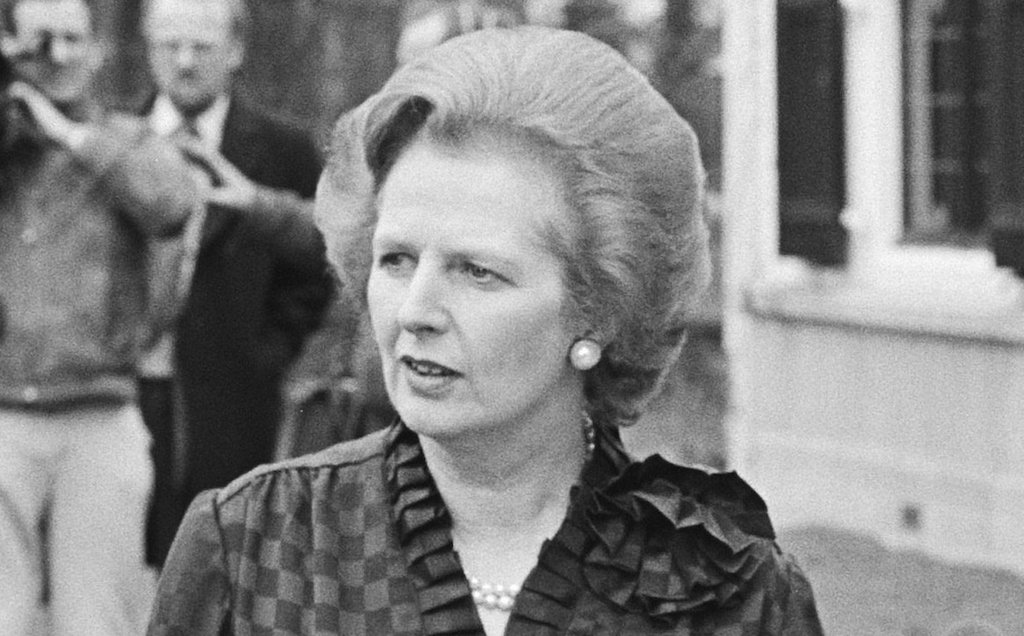
Margaret Thatcher, 1981. (Wikimedia Commons)
On 28 November 1990, Margaret Thatcher left Downing Street for the last time. Speaking to a crowd of journalists, she described how she was proud to have left “the United Kingdom in a very much better state than when we came here.” As last month marked the thirtieth anniversary of that day, the never-ending debate on Thatcher’s legacy revived itself again. Many of her actions have been discussed to death; one area that goes broadly untouched, though, is her economic legacy.
It seems to have been widely accepted that Thatcher was the savior of the economy. The narrative tends to go something like this: she might have caused damage to communities across the country, from coal miners to LGBT people, but that can be excused given how well she managed the economy. That narrative is far from the truth.
It’s undeniable that the UK economy had its fair share of problems when Thatcher came to power. Inflation had risen above 25 percent, which forced Britain to seek a bailout loan from the IMF, and the government and trade unions were constantly at odds. Change was needed. But it’s easy sometimes, when looking at history, to assume that what did happen is what needed to happen. Thatcher’s policies in fact had a disastrous effect on the UK’s economy and its workers, both then and to this day.