Hillbilly Elegy: Bad Politics, Even Worse Cinema
The only good thing we have to say about the reactionary film adaptation of Hillbilly Elegy is that it’s so boringly told you’ll forget about it in an hour.
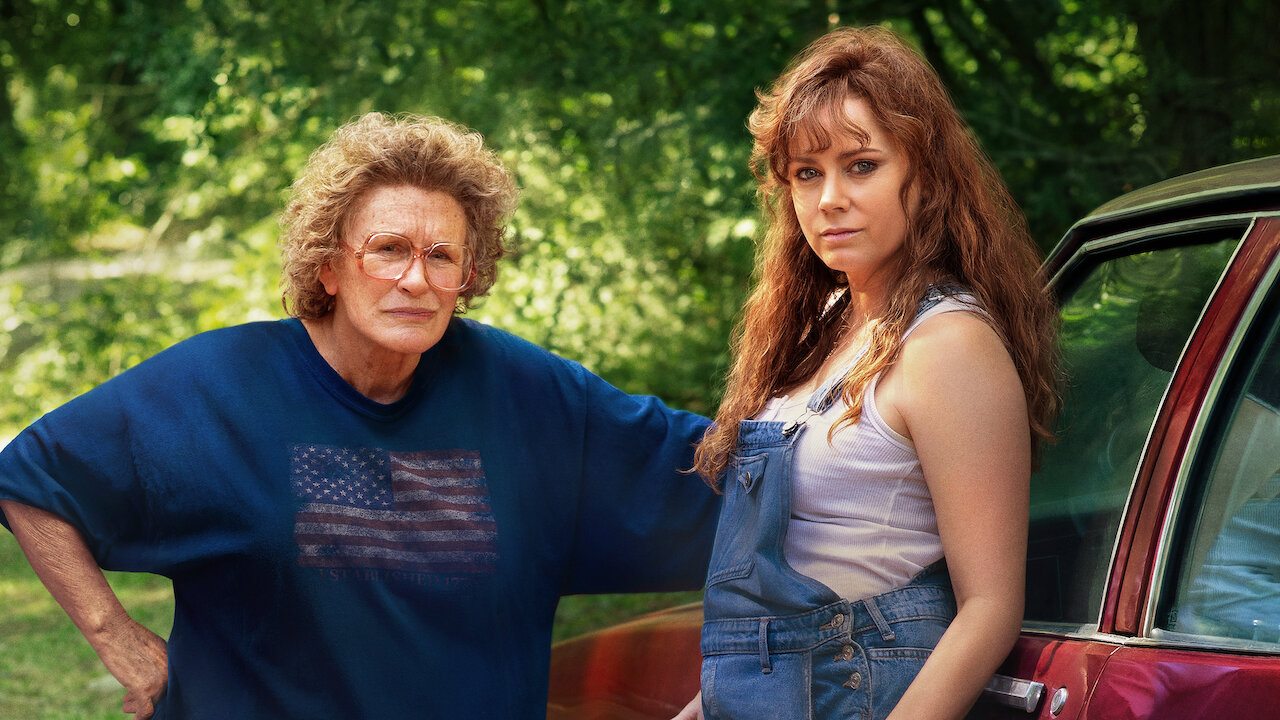
Glenn Close and Amy Adams in Hillbilly Elegy. (Netflix)
By now, so many critics have gleefully panned the film adaptation of Hillbilly Elegy, it seems they’ve covered everything — its phoniness and inaccuracy in representing Appalachian life, its callous conservative politics advocating personal responsibility to pull oneself out of systemic, multigenerational poverty, its maddeningly shapeless flashback-clotted narrative, and its relentlessly boring affect.
The Atlantic saves you time by titling David Sims’s review “Hillbilly Elegy Is One of the Worst Movies of the Year,” so you don’t even have to read further. But you can, if you want the backstory on the best-selling book’s initial rapturous reception and the subsequent backlash:
When it first arrived on bookshelves, Vance’s story was celebrated as a glimpse into an oft-ignored pocket of America: the white working class of Appalachia and the Rust Belt who swung to Donald Trump in the 2016 election. Hailed as an “anger translator” and cited by Oprah Winfrey and Hillary Clinton, Vance wrote about growing up poor, living with a heroin-addicted mother, and clawing his way into Yale Law School. The book arrived at a seemingly serendipitous moment, offering a bleak but candid view of communities gutted by drug abuse and poverty.
Hillbilly Elegy the memoir has since been dissected, challenged, and eviscerated. It largely focuses on the virtues of hard work and perseverance, launching vague broadsides against the American welfare state; the author often appears uninterested in interrogating deeper systemic issues.