The Class War at Walmart
CEOs at companies like Walmart and McDonald's continue to pull down multimillion-dollar salaries while their workers' wages stagnate. And the whole system is underwritten by what amounts to a massive public subsidy.
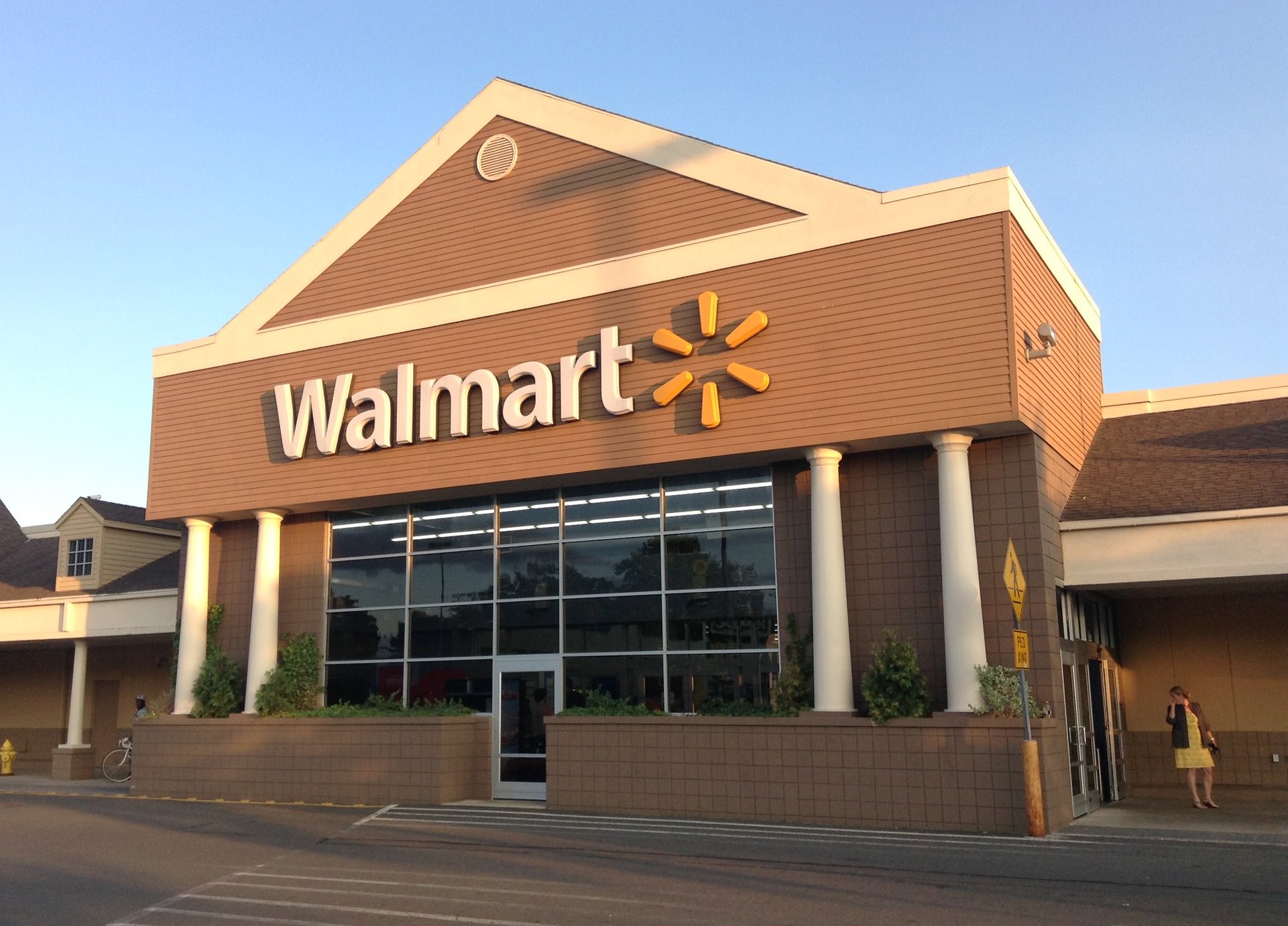
Nearly three-quarters of those assisted by programs designed to aid the poor belong to families with at least one member who is working. (Mike Mozart / Flickr)
In 2018, Walmart CEO Doug McMillon took home more than $23 million. By contrast, McDonalds’s Chris Kempczinski was paid a mere $18 million last year — falling just short of making two thousand times the median wage for workers at his company.
As many businesses across the country struggle to stay afloat amid rolling pandemic lockdowns, many of America’s largest corporations are doing just fine. Better than fine, in fact: it emerged this week that Walmart’s profits surged during the third quarter of 2020, exceeding $5 billion with McDonalds’s profits jumping almost 5 percent to just under $2 billion. The pandemic has proven especially lucrative for big retailers, the largest fifteen (including Walmart) collectively making $60.8 billion in profits in 2020 so far — an increase of $14.6 billion from last year.
All told, it’s a stark illustration of the extent to which the American economy works like a giant Ponzi scheme that thrives on the labor of workers paid next to nothing for the benefit of the exorbitantly rich. A deeply exploitative arrangement, it’s also one effectively subsidized by the taxpayer — as a new report published by Congress’s Government Accountability Office (GAO) makes vividly clear.