In Anthony Banua-Simon’s Cane Fire, Hawaiians Are No Longer the Extras
For Golden Age Hollywood, Kaua’i became synonymous with paradise. But Anthony Banua-Simon’s new documentary Cane Fire traces the reality of life on the island, from domination by sugar companies to its transformation into a low-wage service economy.
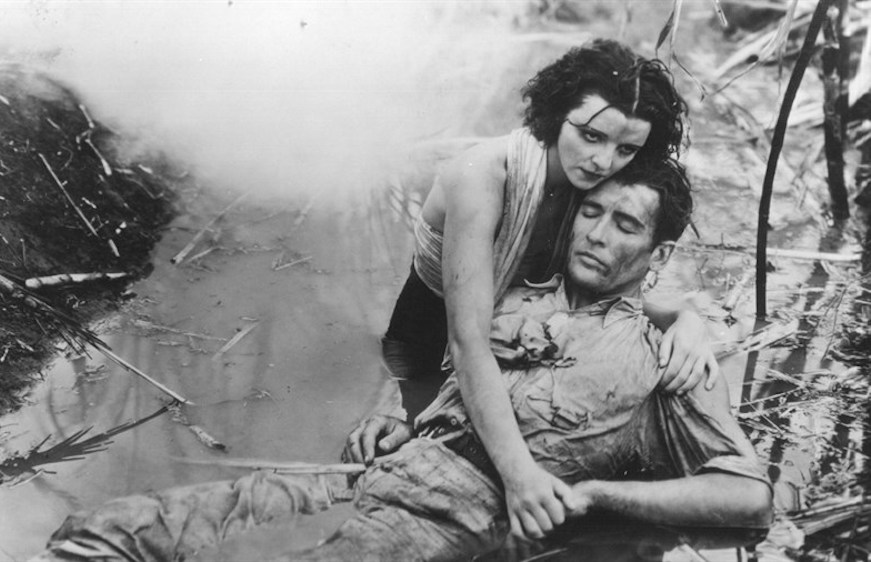
Still from Cane Fire.
In Blue Hawaii (1961), Chadwick Gates, played by Elvis Presley, returns from the army to Hawaii, where his dad runs the Great Southern Hawaiian Fruit Company. Instead of taking over the family business as his father wants, Chad chooses to work as a tour guide. Eventually, Chad and his parents resolve their differences: he and his girlfriend Maile Duval, played by Joan Blackman, will start their own tourist agency, called Gates of Hawaii, and offer services to the Great Southern Hawaiian Fruit Company’s salesmen. The movie ends with Chad and Maile’s wedding, in which native Hawaiians provide backup vocals to Chad’s serenade, and paddle the happy couple through the island’s beautiful water on canoes.
The movie was filmed in Kaua’i, and it’s not the only film set there — over a hundred Hollywood productions have been shot on the island, with Kaua’i locals often appearing on screen as extras. In Cane Fire, his debut full-length film, Anthony Banua-Simon combines footage from these movies, painfully corny Kaua’i promotional materials, and original interviews to trace the island’s transformation from a plantation economy to a tourism boomtown.
Trouble in Paradise
Four generations of Banua-Simon’s family were employed by Alexander & Baldwin, one of the Big Five sugar and pineapple companies that long controlled Kaua’i’s economy, and Cane Fire takes us through the labor conflicts that preceded the island’s star turn.