Anna Seghers, a Writer Who Defended the Wretched of the Earth
Born this day in 1900, Anna Seghers was one of Germany’s great modern writers, an internationalist and anti-fascist through the darkest hours in German history. Her works are a monument to the dignity of the oppressed.
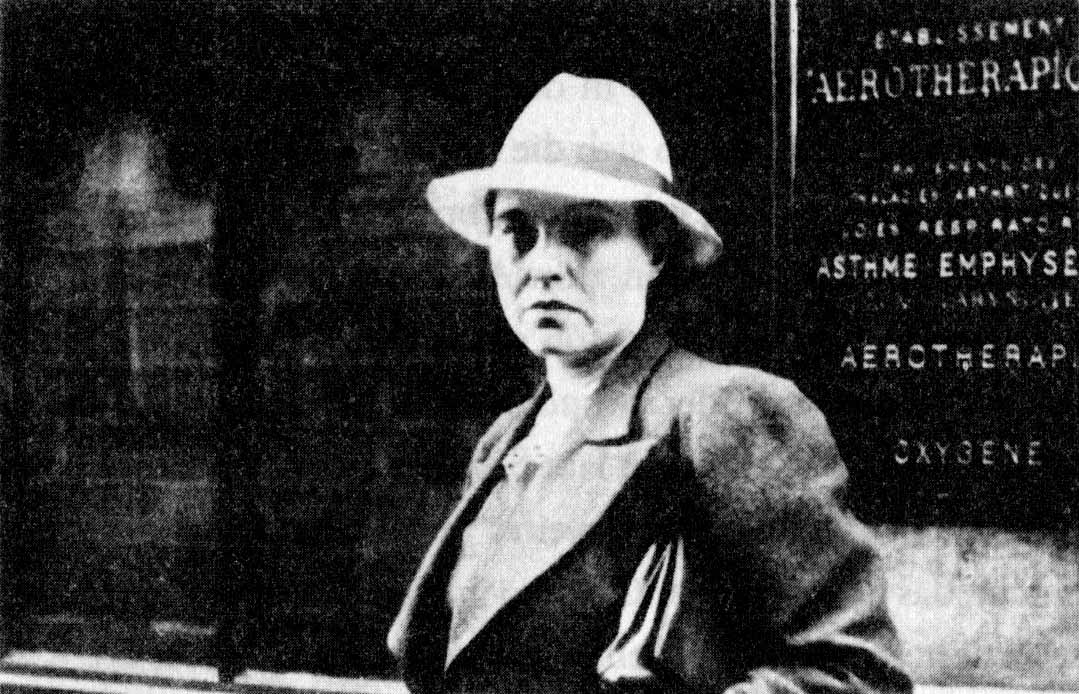
Anna Seghers in Paris, circa 1940. (Archive, Aufbau Verlag, Berlin)
Anna Seghers was one of Germany’s greatest writers — and 120 years since her birth, her works are still of enormous contemporary relevance. She chronicled the lives of the enslaved and oppressed, indigenous peoples, blacks and other people of color — those whom Frantz Fanon called “the wretched of the earth.” A lifelong internationalist, the opening lines of her 1944 novel Transit, about refugees escaping European fascism, could speak just as well to the dangers encountered by migrants crossing borders today.
Born at the turn of the twentieth century, Seghers hailed from Mainz, a city whose radical past stretches back to its Jacobin Club and its declaration of the first democratic state on German soil in 1792–93. Indeed, the spirit of Jacobinism would pervade Seghers’s life. This was visible both through the influence that Enlightenment and French revolutionary ideals had on her, and the way she realized them as a lifelong socialist.
Radical Origins
Born Netty Reiling, Seghers was the only child of Isidor and Hedwig. Her father owned an art and antiquities firm with his brother, while her mother — a founding member of the Mainz Jewish Women’s League — came from a renowned family of Frankfurt jewelers.