The Hundreds of Thousands of Stranded Maritime Workers Are the Invisible Victims of the Pandemic
Hundreds of thousands of maritime workers remain stranded at sea because many countries refuse to classify them as “essential workers” and because shipowners are prioritizing profits over worker safety. Seafarers have suffered enough — it’s time to bring them home.
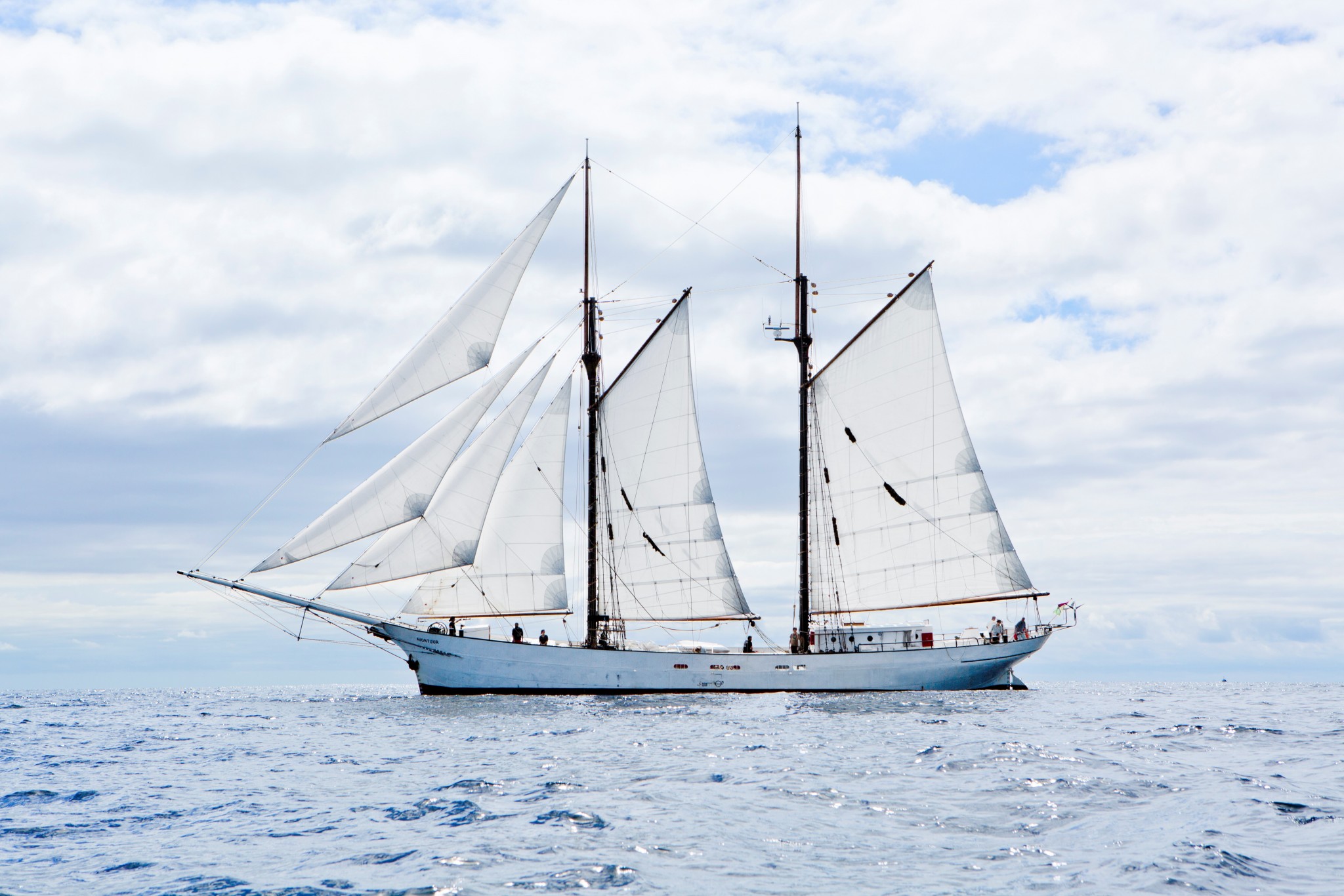
The Avontuur ship, a two-masted schooner built in 1920. (Timbercoast)
I was at sea when the COVID-19 lockdowns hit in March. The restrictions on land initially meant little to us: we were already locked into a confined space, with no possibility of leaving. The realization of what was happening only kicked in later, when we arrived in Pointe-à-Pitre, the port of Guadeloupe in the French Antilles, on March 24.
We were meant to sail to Marie-Galante, one of Guadeloupe’s islands, to pick up a cargo of rum. But on March 19, we received a satellite message from our shipowner that we would not be allowed to make land anywhere in the Antilles. All ports in the area were closed. And pretty much every European country had gone into lockdown.
The world had certainly changed since we’d left the Canary Islands a few weeks earlier. The annual carnival of Santa Cruz de Tenerife, the second-largest celebration of its kind in the world, had gone off without any restrictions in late February. No face masks. No social distancing. No fear of community transmission.