Ngũgĩ wa Thiong’o: Anyone Living in a Colonial Society Can Relate to Black Lives Matter
Ngũgĩ wa Thiong'o, author of Decolonising the Mind, is one of the most important African intellectuals writing about the politics of post-colonialism today. He told Jacobin how the colonial legacy in Kenya shaped his politics — and why language remains a decisive political battleground.
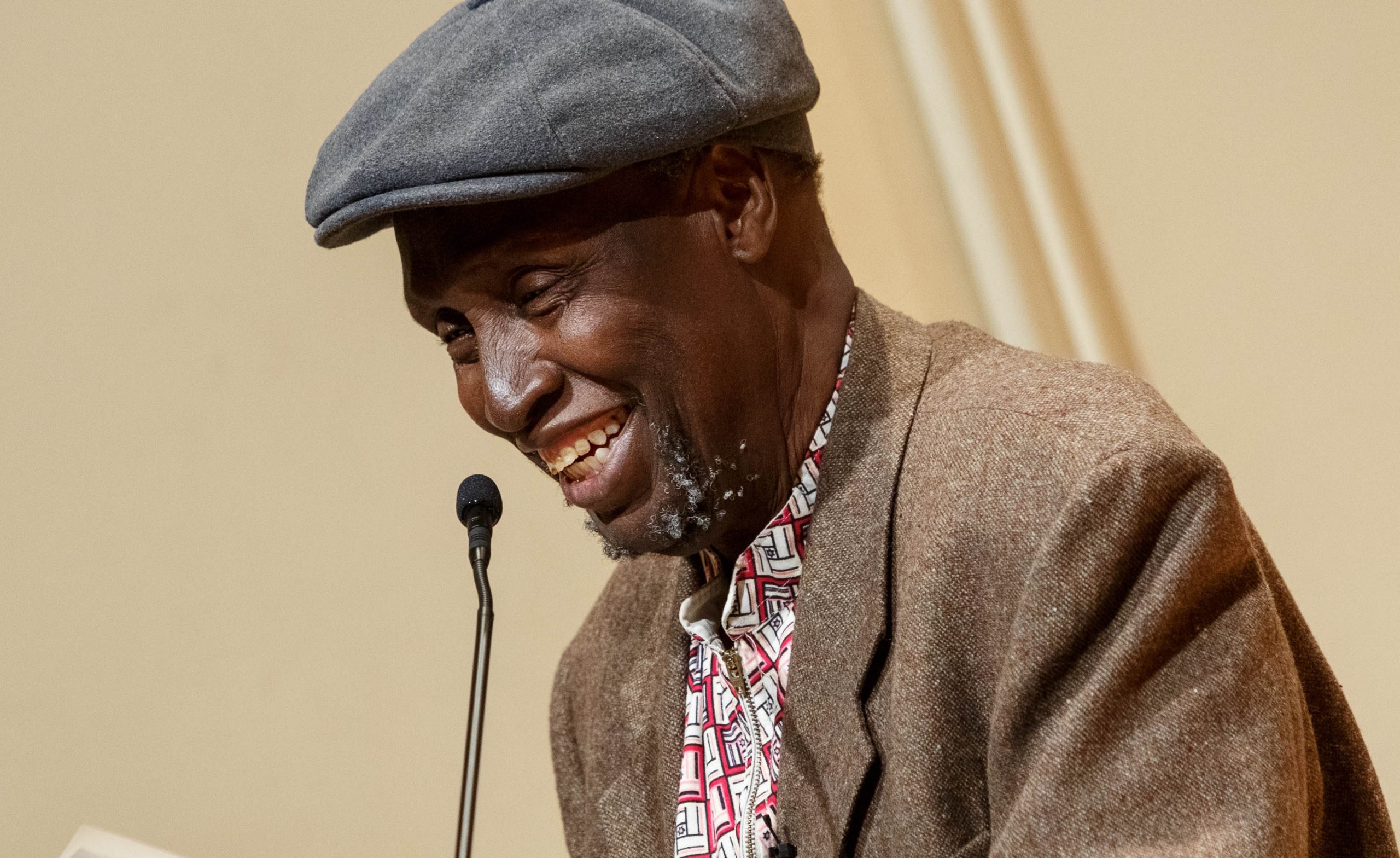
Renowned Kenyan writer Ngũgĩ wa Thiong’o reads excerpts from his work, 2019. (Shawn Miller / Library of Congress)
Ngũgĩ wa Thiong’o is one of the most important African intellectuals writing about the politics of colonialism and post-colonialism in the twenty-first century. His book Decolonising the Mind (1986) was prescient in alerting scholars and activists to the importance of interpreting the links between race, culture, and language in order to understand imperialism in postcolonial Africa — and its implications for the wider world.
Arjun Chaturvedi met with Ngũgĩ wa Thiong’o to discuss the relationship of his writings to the politics of today’s Black Lives Matter movement. In this interview, he connects his experiences of racism and violence in Kenya to his political and literary work — and the civil strife unfolding today. This interview has been lightly edited for clarity.
Arjun Chaturvedi
Your work spans a number of genres — from novels and theater to postcolonial theory. What inspires you to write across such different genres?
Ngũgĩ wa Thiong'o