Workers and Consumers Have Forced Republican Governors to Mandate Masks
The American economy’s reopening has meant a surge in COVID-19 infections and deaths. But the ruling class did little by way of mandatory safety measures like mask-wearing in response — until workers and consumers began taking action and threatening corporate profits.
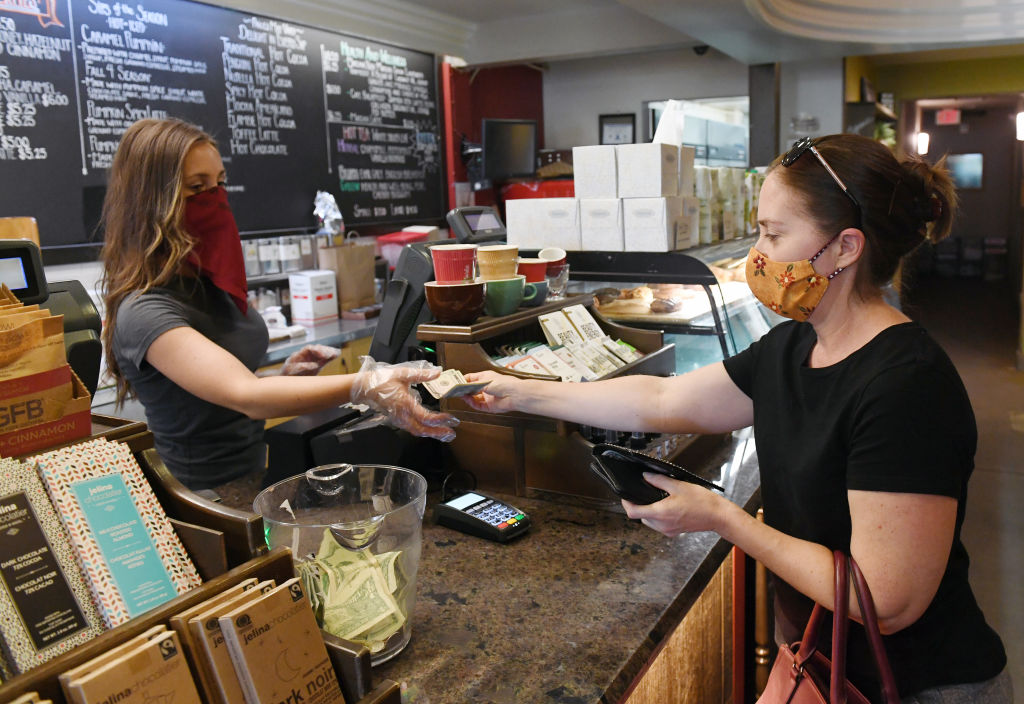
Mask mandates have for months enjoyed strong public support, particularly at indoor locations like retailers. But the will of the people was of little consequence until workers and consumers began to threaten business profits directly. (Ethan Miller / Getty Images)
As the catastrophic reopening of US businesses has led to a predictable explosion in COVID-19 infections and deaths, even some of the most reactionary state and local governments have abandoned their opposition to safety mandates. Texas governor Greg Abbott had initially prohibited cities and counties from requiring mask use, but on July 2, he issued a statewide mask mandate. The governors of Alabama and Arkansas have since done the same, despite backlash from those in the party insisting masks are somehow taking away their freedom.
The governors’ about-face doesn’t stem from grief at the mass death among their constituents. It’s a reflection of the changed position of big business, large portions of which have decided that a rampaging virus jeopardizes profits. Business has been forced into this realization by increasing disruption by workers and consumers.
One problem for business is that Trump’s propaganda can’t fool everyone. Many customers simply will not resume buying nonessential goods until the virus threat has truly abated. The concern about “lower levels of consumer confidence” was cited in a July 2 business letter to Trump and state governors urging them to adopt uniform mask standards, lest the explosion of infections leads to “irreparable economic harm” to their businesses. The letter came from a broad coalition of corporate interests, including the Chamber of Commerce, the National Association of Manufacturers, and major retail industry lobbies. (The American Council of Life Insurers also signed, for obvious reasons.)