Honor William Cuffay: The Chartists’ Forgotten Black Leader
The son of a freed slave, William Cuffay played a key role in the struggle for democracy in Britain and abroad. It’s time to honor his sacrifices for the radical cause of justice and equality.
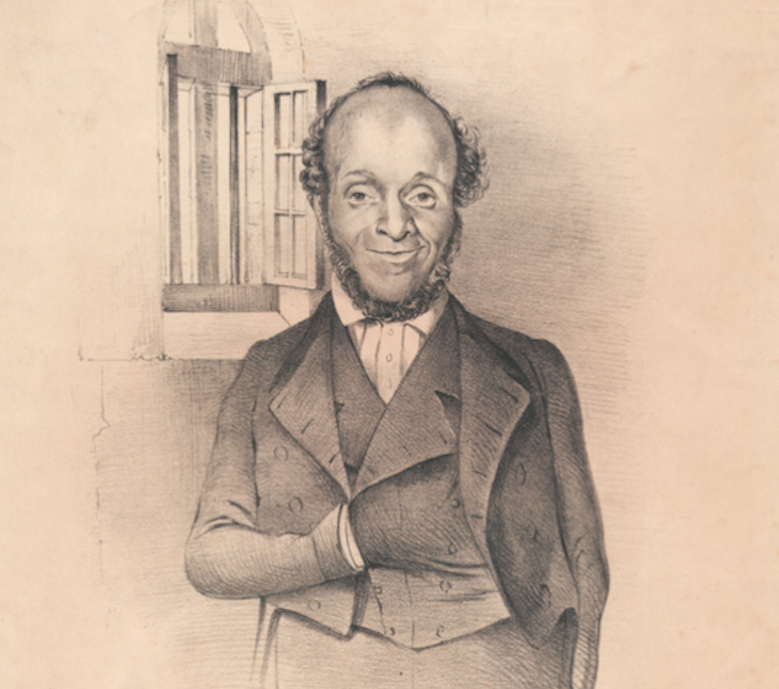
William Cuffay was part of a broader wave of black political activism that emphasized the need for racial solidarity and the integration of abolition with all other struggles for liberty.
Of the six statues of prime ministers in Parliament Square, only one — Winston Churchill — served after the implementation of universal suffrage in 1928. The only concession to the tradition of dissent and mass organizing that secured these universal political rights is the statue of the suffragette Millicent Fawcett, erected a mere two years ago. Amid this celebration of the aristocracy, there remains no acknowledgment of the long and ongoing working-class struggle for democracy, and in particular of the Chartist movement, which seriously threatened the mid-nineteenth-century British elite with its demands for universal suffrage.
There can only be one candidate for a memorial to Chartism’s leaders: William Cuffay. Born in Chatham in 1788, Cuffay trained as a tailor and lived most of his life in Westminster. By the 1840s, he became the chief leader of the Chartists in London and nationally. He was black, the son of a freed slave from Saint Kitts, himself the son of a man kidnapped from Africa and sold into slavery. A celebration of Cuffay’s life in Parliament Square would not only challenge the implication that democracy was a gift from the elite, but also confront Parliament directly with the reality of slavery. With that, it would also demolish two of the Right’s core myths: that the black British population has no long-term history, and that black people did not fight for their own liberation — and with that the liberation of all.
Cuffay’s early life encompassed a period of mass migration by black people into Britain, fueled chiefly by the recruitment or impressment of black men into the armed forces to feed Britain’s almost ceaseless global warfare between 1775 and 1815; Cuffay’s father, Chatham Cuffay, was a cook aboard a British warship. By the beginning of the nineteenth century, the black British population ran into the tens of thousands, many of whom had, like Cuffay, been born in Britain. Marginalized by racism and poverty, opportunities for the black population were largely concentrated to sailing or domestic service. Owing to a shortened spine and legs at birth, Cuffay possessed even fewer options, but being apprenticed as a tailor provided him a degree of independence. By 1819, he had moved to London, settling in Westminster.