How Deportation Became the Core of Europe’s Migration Policy
In recent years, the European Union’s member states have built their migration policies around an evermore elaborate system of filtering people and finding ways to expel them. This effort to put up obstacles isn’t just expensive or inefficient, but outright antihuman — subjecting migrants’ lives to the whims of recruiters and opaque bureaucratic processes.
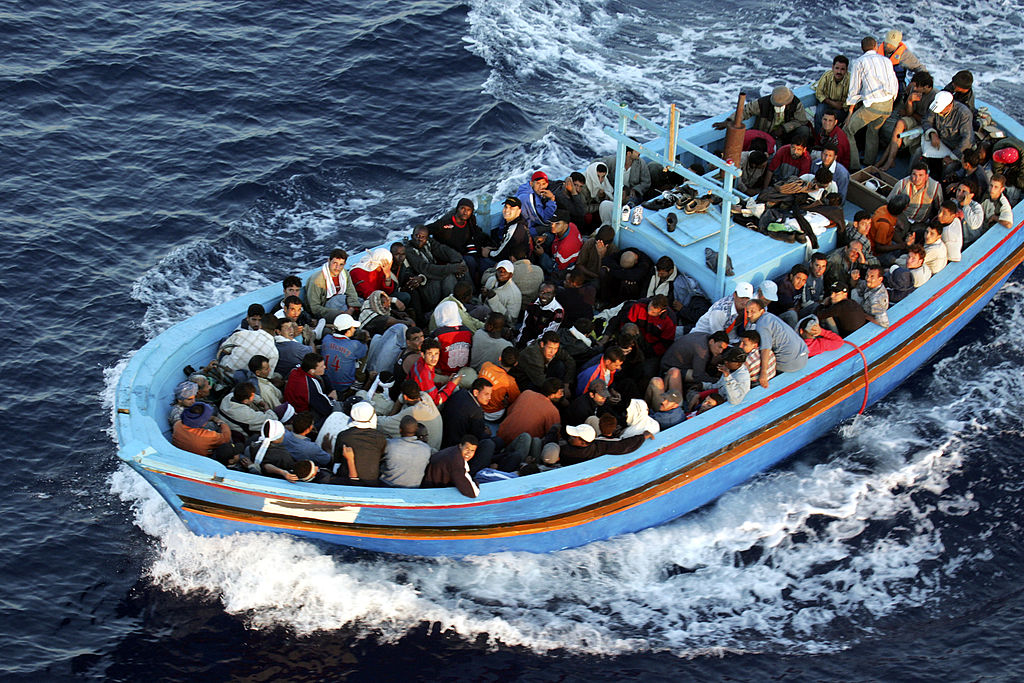
Asylum seekers travel by boat in the Mediterranean Sea between Malta and Tunisia. (Marco Di Lauro / Getty Images)
“Failed asylum-seekers are devilishly difficult to deport,” the Economist wrote in January 2017, analyzing Malta’s ambition to use its spell in the presidency of the European Union to curb migration by sea. As leaders debated how to sort and process people, Sarjo Cham from Guinea-Bissau just wanted to play football with his Maltese and international friends. “I have money to go [to tournaments abroad] with them. The only thing I don’t have is a travel document,” he said on a discussion panel in December.
Indeed, rejected asylum seekers and bureaucracies find the absence of documents “devilish” for different reasons. For the latter, the treatment of rejected asylum seekers is about demonstrating control — over borders, movements, and even language.
Coming from a country where international drug lords terrorized the population, Sarjo might have been luckier with his asylum case in Sweden. But if he was rejected there, he would have been barred even from playing football, where sports clubs, too, exclude people without an ID number.