Uncovering the Hidden History of the Korean War
The Korean War, which began 70 years ago today, inflicted unimaginable horrors upon the people of Korea, north and south of the 38th parallel. From carpet-bombing to mass executions, the US and its South Korean allies were responsible for some of the worst atrocities.
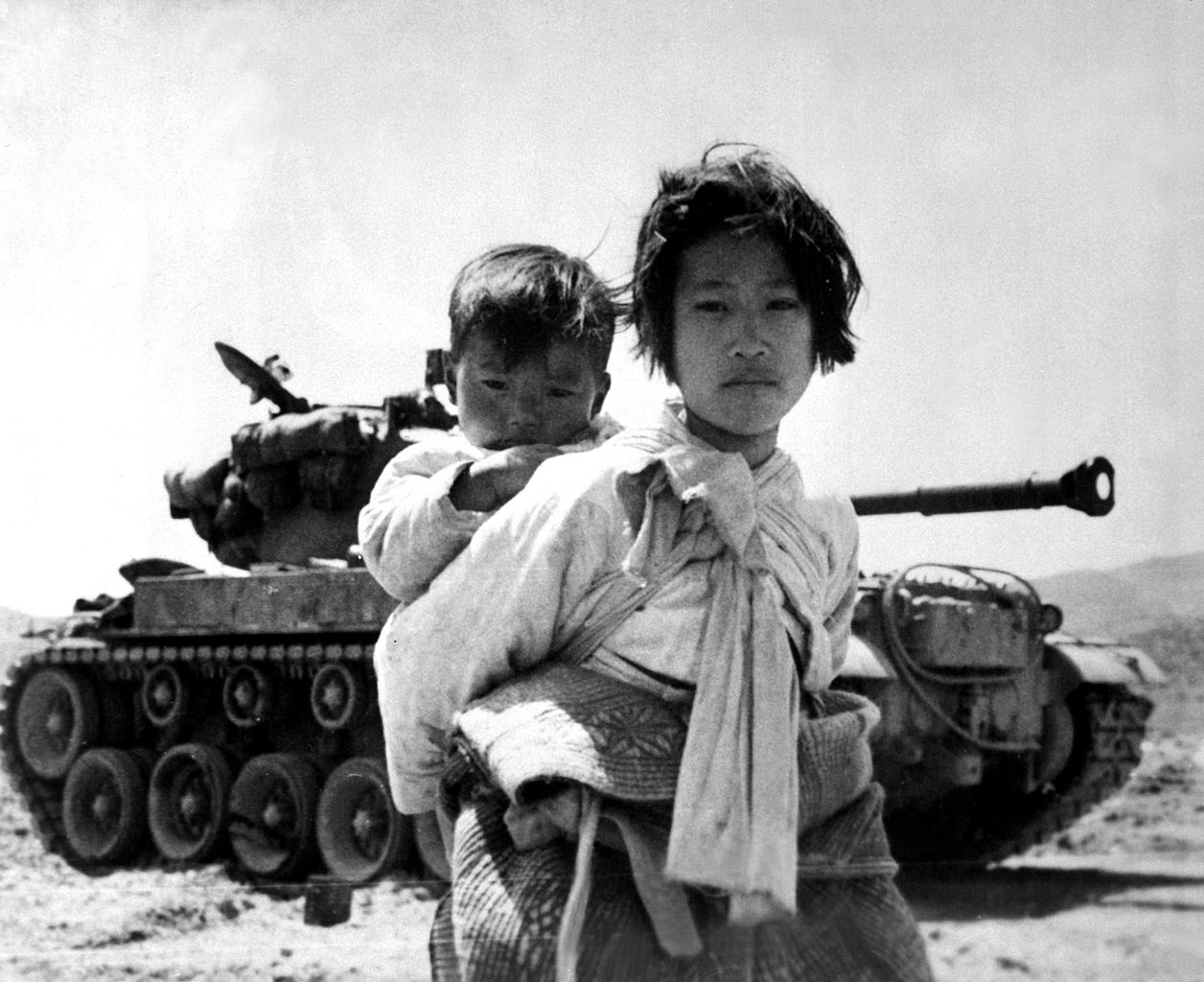
Korean War refugees in Haengju, Korea, on June 9, 1951. (National Archives and Records Administration)
June 25 marks the seventieth anniversary of the outbreak of the Korean War in 1950. We should take this opportunity to recover the memory of both what this war meant for the Korean people and its place in twentieth-century history. Mainstream commentary in the United States has often described Korea as a “forgotten war,” overshadowed by Vietnam and the social upheavals it helped foment.
Meanwhile, in the two Koreas, official discourse has for decades subjected the war to various forms of historical amnesia — the “historiography of oblivion,” to borrow Tessa Morris-Suzuki’s term — diverting knowledge and understanding into narrow channels, in a way that often runs counter to the experience of those who were caught up in the conflict.
For its part, the international left has tended to view the war in simplistic terms, when it has bothered to take notice of it at all. Depending on their attitude toward the Soviet Union, socialists have either seen the Korean War as a fight for freedom by a plucky, independence-minded people against the might of US imperialism, or as a great power struggle between Washington and Moscow, shorn of the complexities of social upheaval and civil war that accompanied the end of empire and the beginning of partition in Korea itself in 1945.