American Politics Is Broken. Liberalism Can’t Fix It.
Ezra Klein’s new book Why We’re Polarized identifies much of what’s wrong in the gridlocked US political system. But he dismisses the role of class in cohering the movements that can finally democratize it.
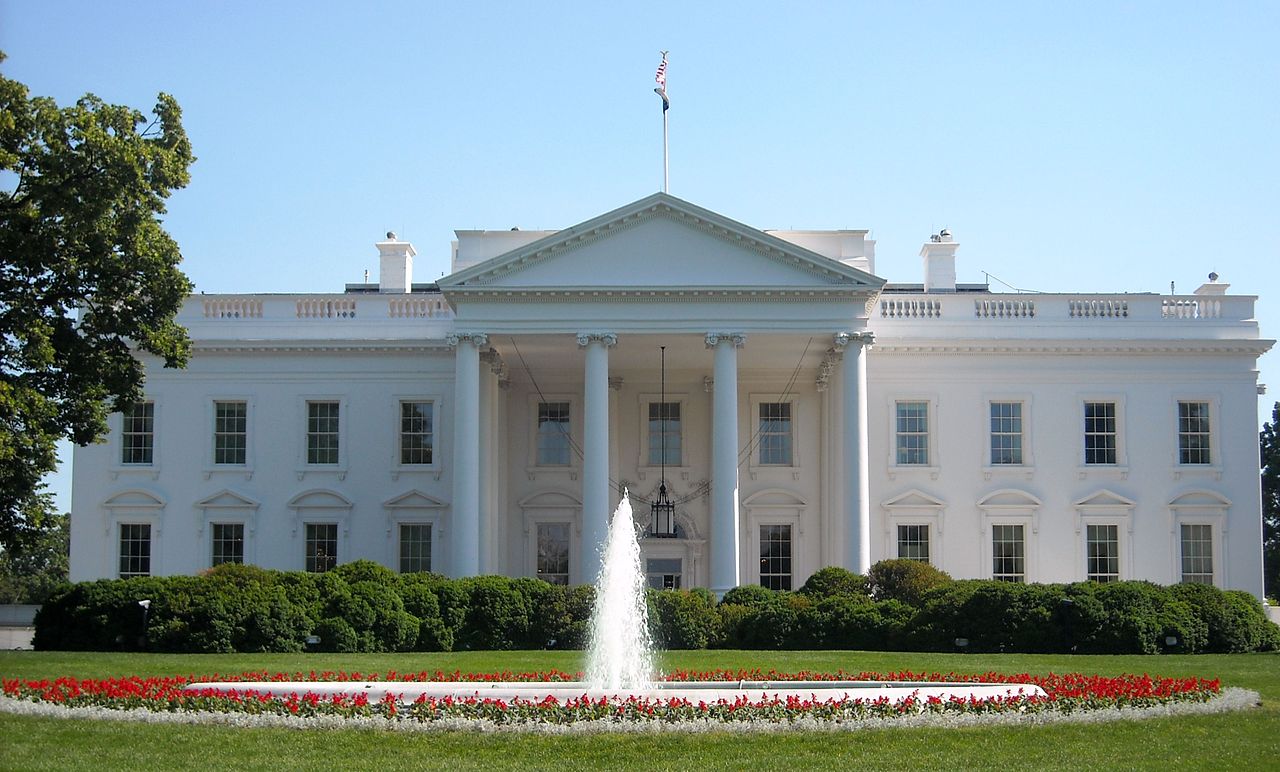
The White House in Washington, DC, May 2008.AgnosticPreachersKid / Wikimedia
In his new book Why We’re Polarized, Vox founder Ezra Klein offers a model for understanding American political polarization and dysfunction through the lens of group identity. He argues that while polarization is normal (the United States is still actually less polarized than many other democracies), our political system is simply not equipped to deal with partisan polarization.
His account goes something like this: the failure of Reconstruction after the Civil War set the stage for a century of autocratic one-party Democratic rule in the South. Despite bearing the Democratic moniker, the “Dixiecrats” were really a party unto their own. Northern Democrats tolerated the Dixiecrats’ white supremacism in order to maintain a viable national ruling coalition, an arrangement that precluded neat bipolar sorting along party lines.
This uneasy alliance came to an end when northern Democrats broke ranks to join the Republican minority in passing the 1964 Civil Rights Act, the same year the right-wing Barry Goldwater snagged the Republican presidential nomination, which “cleared the way for southern conservatives to join the Republican Party and northern liberals to join the Democratic Party.” With the Dixiecrats out of the picture, the political parties were free to naturally sort themselves around ideology — and, eventually, everything else too.