The New Class War Isn’t a Culture War
Since Trump’s victory, authors like Michael Lind have portrayed the “white working class” as victims of metropolitan elites. But seeing the class war as a culture war overlooks working people’s greatest strength: our power to fight for our common interests, above cultural divides.
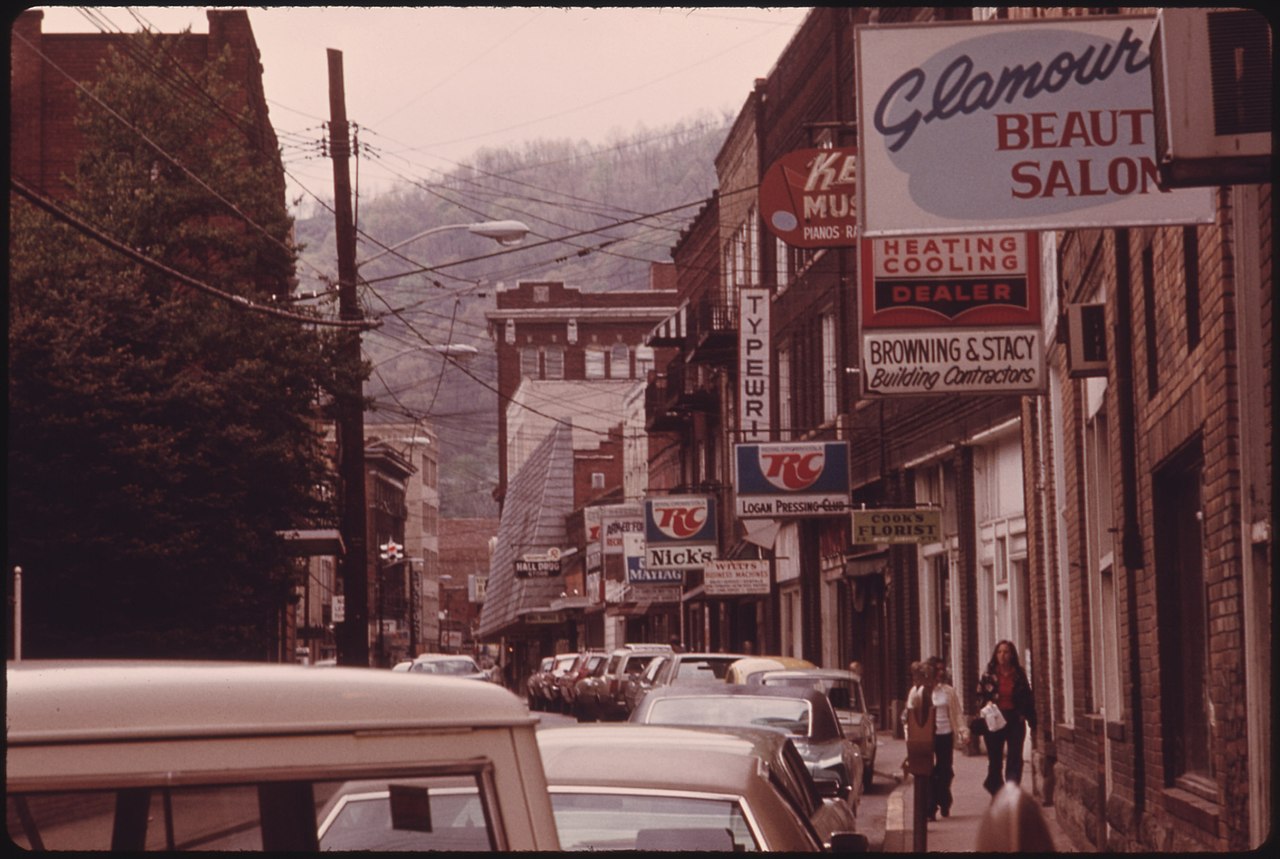
Main Street of Logan, West Virginia, 1974.Jack Corn / US National Archives
Michael Lind’s The New Class War: Saving Democracy from the Metropolitan Elite follows from a series of works on the “white working class” published in the wake of the Brexit referendum and Donald Trump’s election. Seeking to redefine class in terms of cultural belonging and territorial rootedness, these works have dovetailed with a discussion of the new “professional-managerial class,” who want to run society according to liberal and technocratic principles. These are the same “metropolitan elites” from whom Lind wants to “save democracy.”
The authors cited on the book’s jacket, for instance British author David Goodhart, may raise eyebrows on the Left. Goodhart famously portrayed a cultural divide between the territorially rooted “Somewheres,” the “Inbetweeners,” and cosmopolitan “Anywheres” — arguing that this latter group is dominating British political life for the worse. Also cited is Maurice Glasman, the “Blue Labour” guru who advocated that Labour listen more to the supporters of the Islamophobic English Defence League. Perhaps unsurprisingly, the New York Times and the Guardian have accused Lind of presenting Trump voters as victims of liberal elites.
So, is Michael Lind guilty by association — or does his book help us to understand the shape of class struggle today? Doubtless, his central message is powerful — and will resonate with readers. The current class war, according to Lind, takes place between the metropolitan elites living and working in so-called “hubs” and the working class in the outlying heartlands. These powerful managerial elites have captured democracy, hegemonized and homogenized the culture, and effectively disenfranchised the working class through suppressing trade union organization and turning the working class’s churches into places where money means salvation.