Frederick Douglass Railed Against Economic Inequality
The great abolitionist and former slave Frederick Douglass died 125 years ago. Today, Jacobin publishes never-before-transcribed articles from Frederick Douglass’ Paper denouncing capitalism and economic inequality.
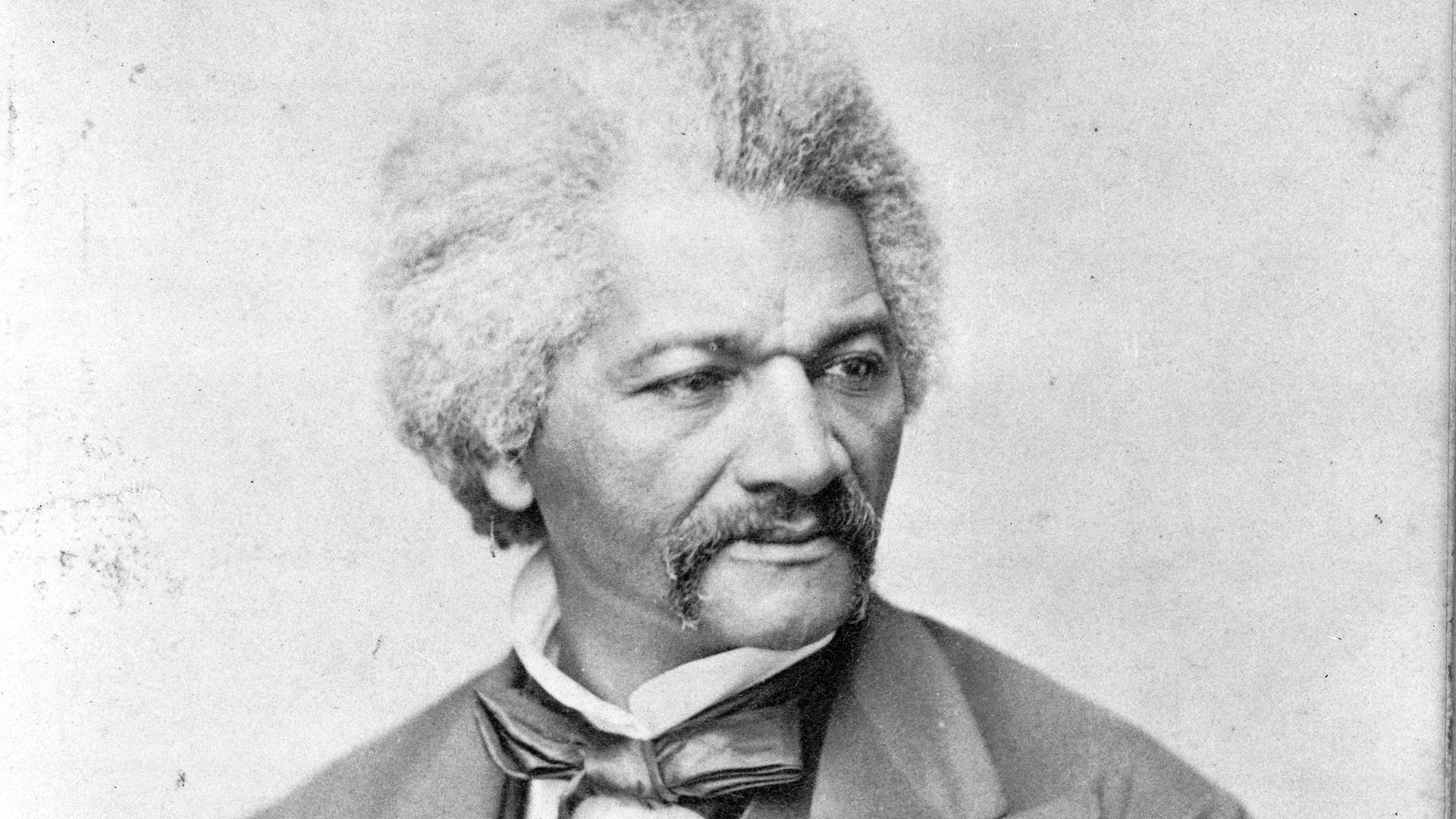
Frederick Douglass in April 1870. Library of Congress
Everyone knows that Frederick Douglass, who died 125 years ago today, was a fierce opponent of slavery and a powerful champion of freedom, justice, and equality for all. But when it comes to Douglass’s concrete political views, things are more complicated.
For some scholars, Douglass’s commitment to individual rights mark him, as David Blight has written, as “both a radical thinker and a proponent of classic 19th-century political liberalism.” His ambivalence toward capitalism, which he both denounced and defended, muddies the picture. Recently, some on the Right — and not just the clueless Donald Trump — have sought to make Douglass their own, arguing that “Frederick Douglass Hated Socialism,” and claiming the militant abolitionist as a libertarian hero.
That is a strange way to describe an antislavery leader who devoted his life to seeking the forcible expropriation of property worth more than all antebellum America’s factories, railroads, and banks combined. But the truth is that Douglass’s long political career was rife with contradiction. For half a century, he moved between outside agitation and mainstream political engagement; between pessimism about the depth of American racial oppression and an optimistic faith in struggle and progress; between a wary liberal individualism and a bolder embrace of utopian socialism, working-class struggle, and interracial labor organizing against the “tremendous power of capital.”