The Fascists’ Historian
Giampaolo Pansa topped Italy’s bestsellers’ lists by retelling the Resistance from the “side of the losers.” His works promised to shine a light on anti-fascist crimes — and handed the resurgent far right a narrative of victimhood.
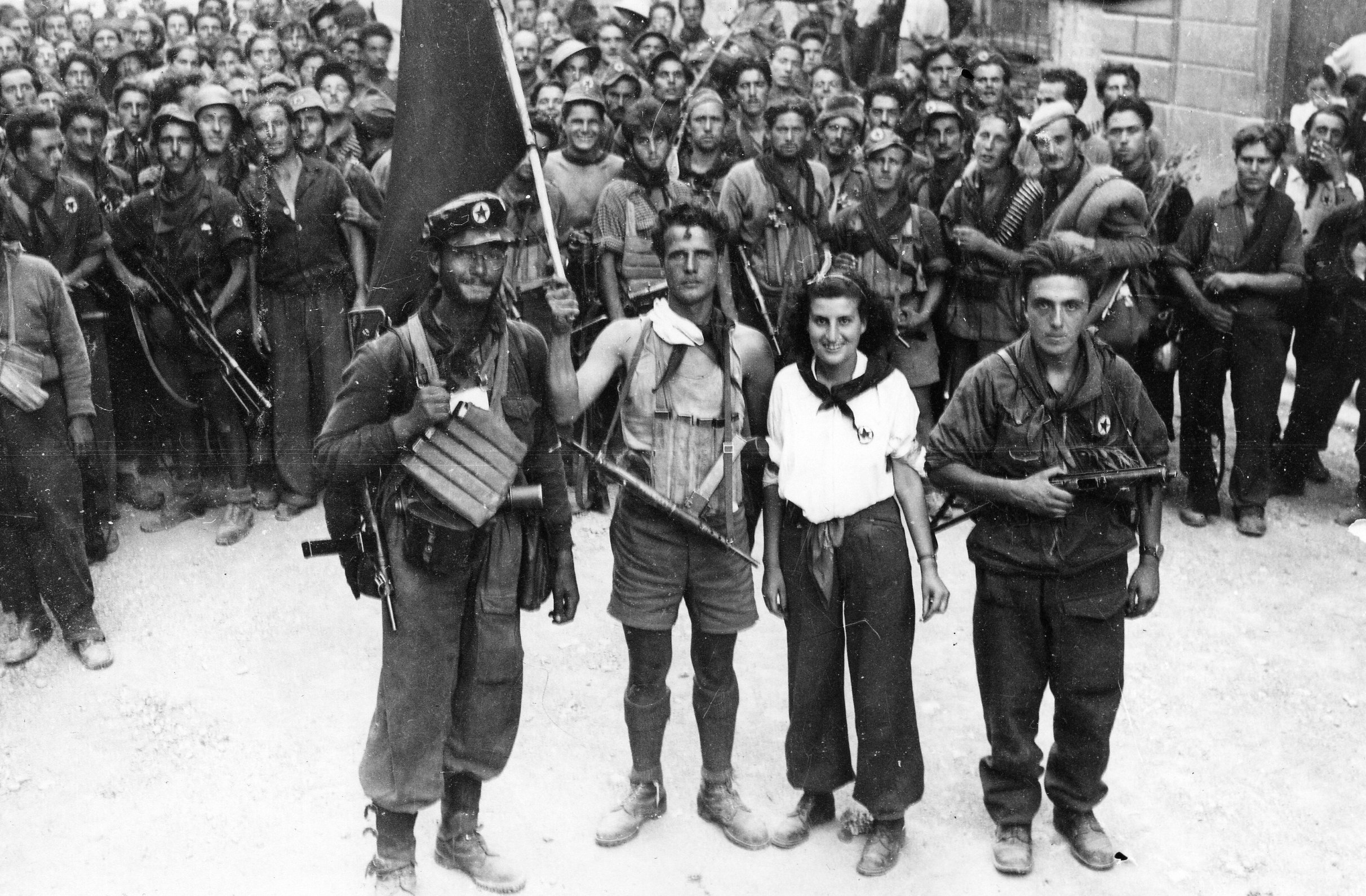
Italian partisans in Florence, Italy, August 1944.
There are two reasons not to call Giampaolo Pansa a fascist historian. The first reason is that he wasn’t himself a fascist, just a writer whose narrative fascists admired. The second is that he was not a historian, in the sense of a researcher who critically engages with historical sources, but a polemically minded journalist who sought to shift the standards of public debate on World War II. He died on January 12 having done a great deal to achieve this objective.
A history student in his youth, and for decades a writer for middlebrow publications like La Stampa, La Repubblica, and l’Espresso, in the early 2000s Pansa begun to spin a revisionist account of the Italian Resistance. Touted in an oft-repetitive (but bestselling) series of historical essays and novels, this narrative claimed that the anti-fascist parties and especially the Italian Communist Party (PCI) had institutionalized their own myths as official history while silencing those who dared to question their authority.
This framing was tendentious — no one had silenced conservative historians like Renzo de Felice. But in the cultural climate of Berlusconism, this device set Pansa up to “expose” supposedly hidden instances of anti-fascist criminality, from rapes committed by partisans to mob executions of fascists. Here, the histories of the “defeated” fascists, invoked in Pansa’s titles, combined with those of innocents caught up in the supposed Communist vendetta. But while the numbers of victims increased with each retelling, the proof of real-life cases remained stubbornly low.