Happy Birthday, Antonio Gramsci
Antonio Gramsci is remembered as a great theorist of modern politics and culture. But he didn’t think big ideas were just a matter for intellectuals — and he insisted that workers must become the leaders of their own organizations.
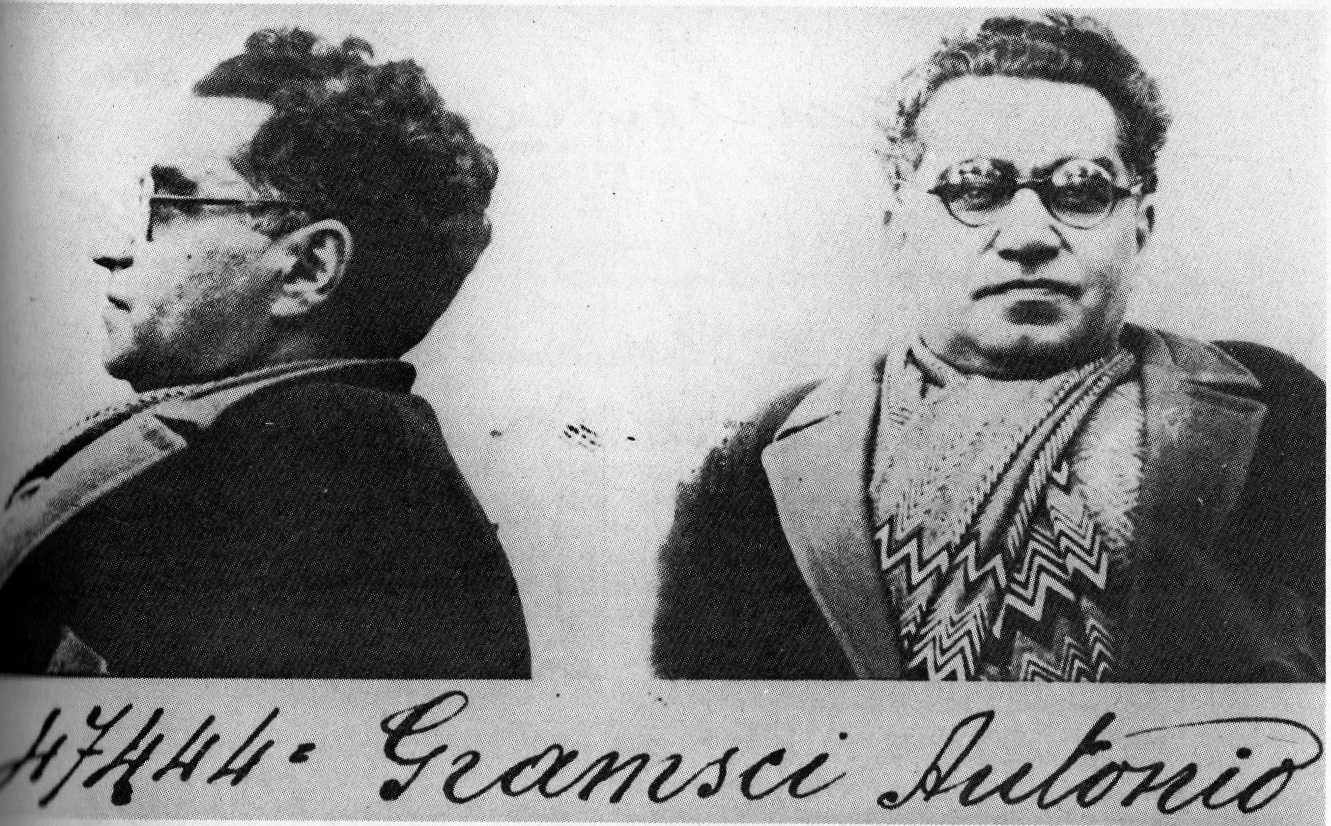
Antonio Gramsci in 1933. Wikimedia Commons
It’s late at night on Turin’s Via dell’Arcivescovado. A man with a Southern accent shows up at L’Ordine Nuovo’s office, insisting on speaking with the lead editor. For L’Ordine Nuovo is not only the workers’ daily, but also the paper of Antonio Gramsci.
Yet the political climate here in Turin at the start of the 1920s is tense — every night, factory workers do shifts on guard duty to defend the building’s doors. Everyone expects that sooner or later the fascist squads will turn up to wreck the place.
The building is fortified. The workers are armed, and in between the main entrance and the editors’ offices there is a long corridor, a courtyard, a gate, barbed wire, large metallic obstacles, grenades, and machine guns — or so they claim.