Grappling with the Market
Arguing with free-market enthusiasts can be tedious, but somebody’s got to do it. In his most recent book, social-democratic economist John Quiggin examines the case for markets and where it goes wrong.
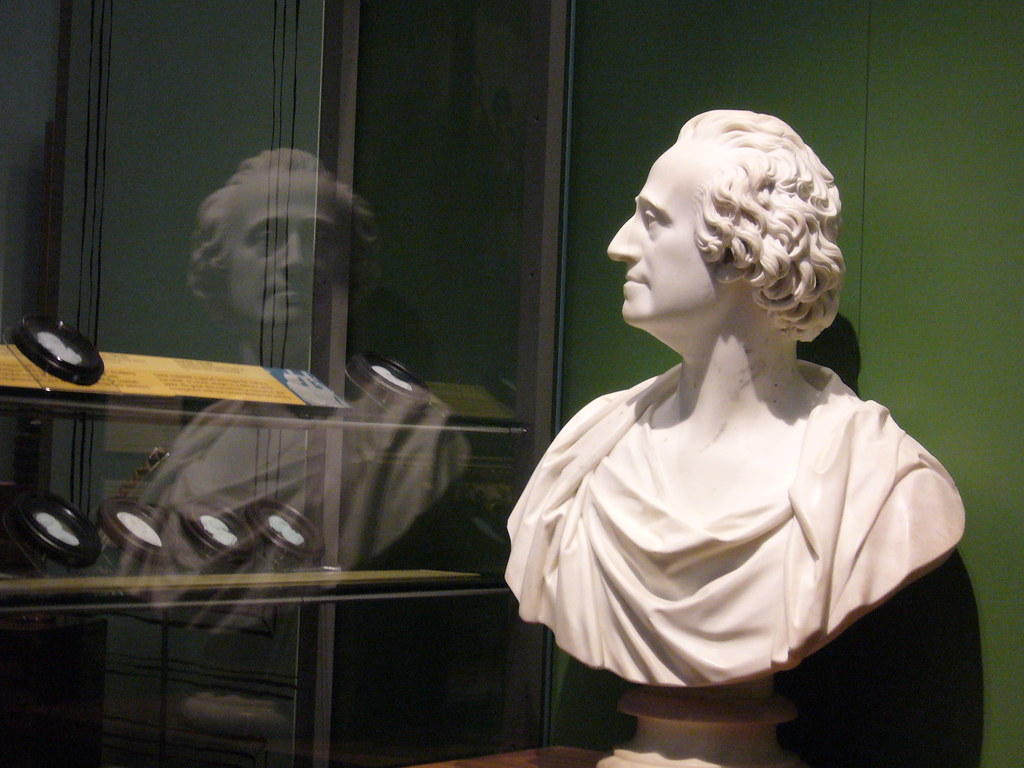
A bust of economist Adam Smith. (Caitriana Nicholson / flickr)
The right-wing classic Economics in One Lesson, by Henry Hazlitt, was originally published in 1946. Hazlitt was a libertarian journalist influenced by the so-called “Austrian school” of economics. His book proved quite popular in its time. At first glance, it’s a polemic against the emerging economics of John Maynard Keynes, which had crossed the Atlantic from Britain and begun to exert strong influence in the United States. Hazlitt wrote for a popular audience and grounded his arguments in reductionism and bad faith. I would not recommend his book.
However, John Quiggin of the University of Queensland, in Brisbane, Australia, takes Hazlitt seriously as an exemplar of how conservatives understand economics today. In this book, he supplies us with a “second lesson” that addresses the myriad deficiencies in Hazlitt’s survey. Quiggin is as good a green, social-democratic economist as one can find, so his book is a showcase for the progressive use of “mainstream” economic theory. It is left to the reader to judge whether there is a case for a third lesson.
Hazlitt reduces his own message to: