Berlin’s Black Communist
In the years before Hitler seized power, a Cameroonian communist was an icon of the Berlin left. Joseph Ekwe Bilé linked the fight against race hate in Germany to the vision of a world free of imperialism.
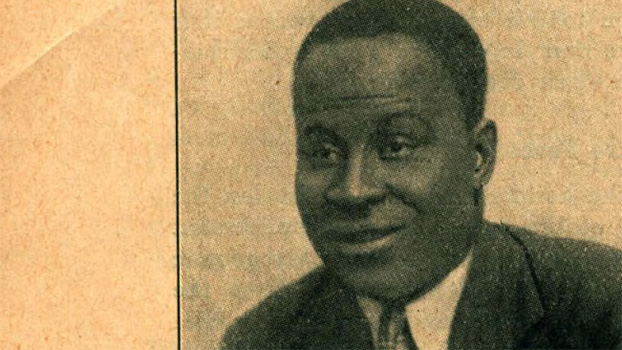
Joseph Bilé
On December 8, 1929 at the Alexanderplatz in Berlin, the Union of Socialist School Pupils staged an anti-nationalist and anti-colonial demonstration. This was part of the increasing anti-colonial events being organized and run by the political left within Germany, under the direction of the Communist International (Comintern). The second speaker of the afternoon was Joseph Ekwe Bilé. Bilé, from Douala, Cameroon, was enthusiastically greeted by his audience, which reports suggested included a further five Africans. He proceeded to inform his listeners about the brutality of the German regime in the former colony of Cameroon as well as the abuse and mistreatment suffered by people of African heritage worldwide.
The German authorities’ attention was soon brought to his propaganda activities. In light of a foreign policy which continued to cling on to hopes of one day regaining Germany’s former colonial possessions, Bilé’s opinions were unwelcome and led to a serious discussion about his deportation. For Theodor Seitz — the president of the German Colonial Society, former governor of Cameroon and colonial irredentist — Bilé’s political agitation was symptomatic of a pressing danger. Seitz argued: “I am convinced that under the current economic conditions the natives who still find themselves in Germany will fall completely under the spell of Communism.” His suspicions were not entirely unfounded. Several weeks earlier, Bilé and six Cameroonian contemporaries had formed a Comintern-sponsored radical anti-colonial group called the League for the Defense of the Negro Race (LzVN).
This essay focuses on the political career of Joseph Bilé in order to highlight aspects of the largely forgotten political activism of Africans who were living in Germany (particularly Berlin) in the late 1920s. It examines the creation of the LzVN as well as several concrete examples of members’ political activities, including a remarkable theater project staged by the group in 1930. These in turn highlight the presence of German-based Africans within wider transnational networks of anti-colonialism and anti-racism, often in connection with the Comintern, and transnational networks of black internationalism.