Just How Precarious Is the US Economy?
Work in the twenty-first century sucks. But it’s not because of a new “gig economy” — it’s because work under capitalism always sucks.
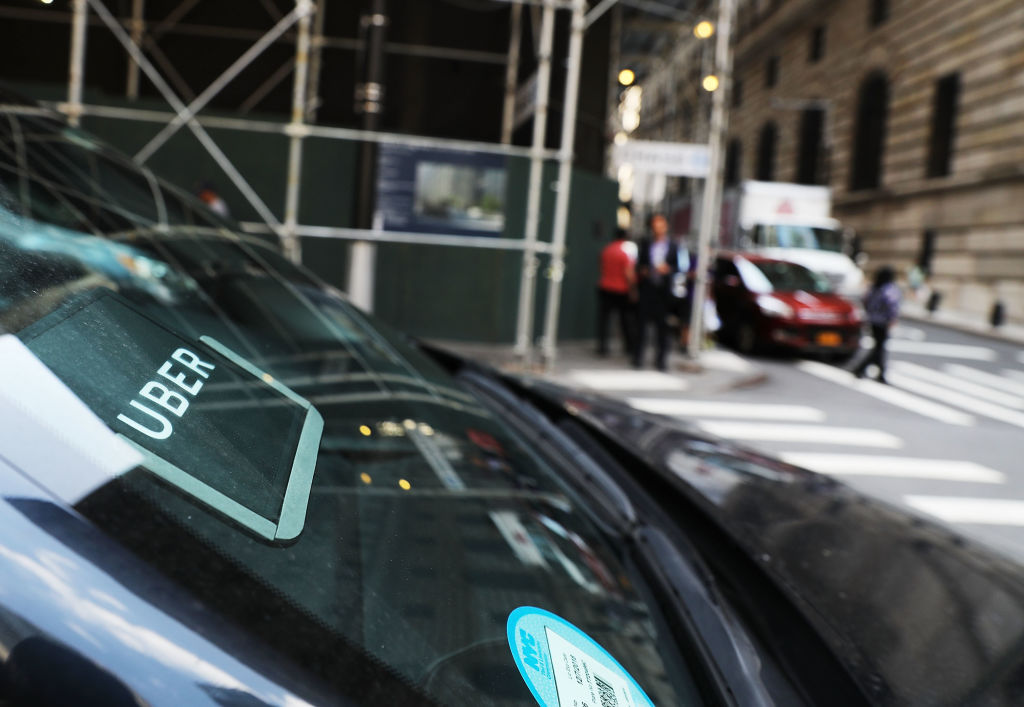
An Uber car waits for a client in Manhattan on June 14, 2017 in New York City.Spencer Platt / Getty
There is an acute disconnect between the health of the economy and the lives of average workers these days. Unemployment in the United States is low, below 4 percent — the lowest it’s been in nearly two decades. But wages continue to stagnate as the “recovery” from the 2008 crash goes almost entirely to the wealthy. And if miserable economic conditions weren’t enough, people’s work lives often feel unstable.
No discussion of the state of the working class these days feels complete without the ubiquitous term “precarious.” But the extent to which precarity has spread throughout the American economy has been overblown.
One widely cited 2016 study from economists Lawrence Katz and the late Alan Krueger put the total number of workers toiling in “alternative work arrangements” at somewhere between 15.8 and 17.2 percent. More striking, however, was their finding that 94 percent of job growth came in those alternative arrangements. Precarious work isn’t yet dominant in the US workforce, Katz and Krueger found, but was basically the only piece of the labor market that was growing — with more precarious jobs surely to come.