Fascisms Old and New
The rise of Bolsonaro in Brazil, Trump in the US, and the far right throughout Europe has the word “fascism” on everyone’s lips. But that rising Right is distinct from twentieth-century fascism in key ways.
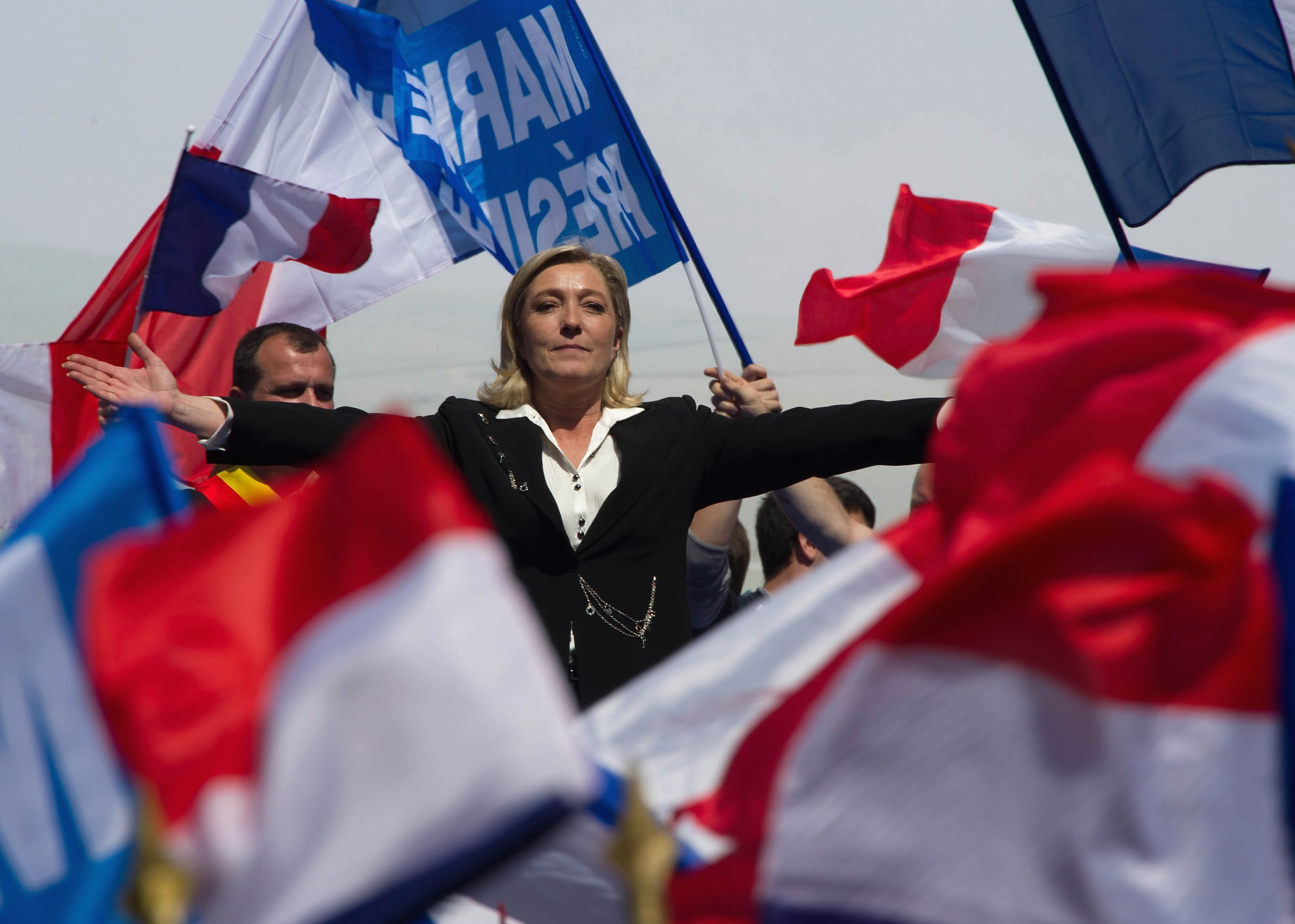
Marine Le Pen gestures as she delivers a speech during the French Far Right Party May Day demonstration on May 1, 2012 in Paris, France.Pascal Le Segretain / Getty
France, Italy, Hungary, Poland, Austria, even onetime outliers like Spain and Germany — the list of countries falling under the shadow of the far right is growing. Bolsonaro’s triumph in Brazil and Trump’s presidency in the United States has opened a debate about the planetary scale of what once seemed a European-based phenomenon.
The debate inevitably returns to the question of fascism. How do we make sense of far-right movements that evoke its memory but emerge in a radically different historical context, speaking a different language from the twentieth century’s “blood and soil”?
In The New Faces of Fascism, historian Enzo Traverso takes aim at this moving target. The result is “post-fascism,” Traverso’s attempt to formulate an answer that can account for historical continuities and discontinuities between classical fascism and a radical right that bears a strong family resemblance.