Playing for Power
Video game workers are overwhelmingly young with no trade union experience. But that hasn’t stopped them from organizing.
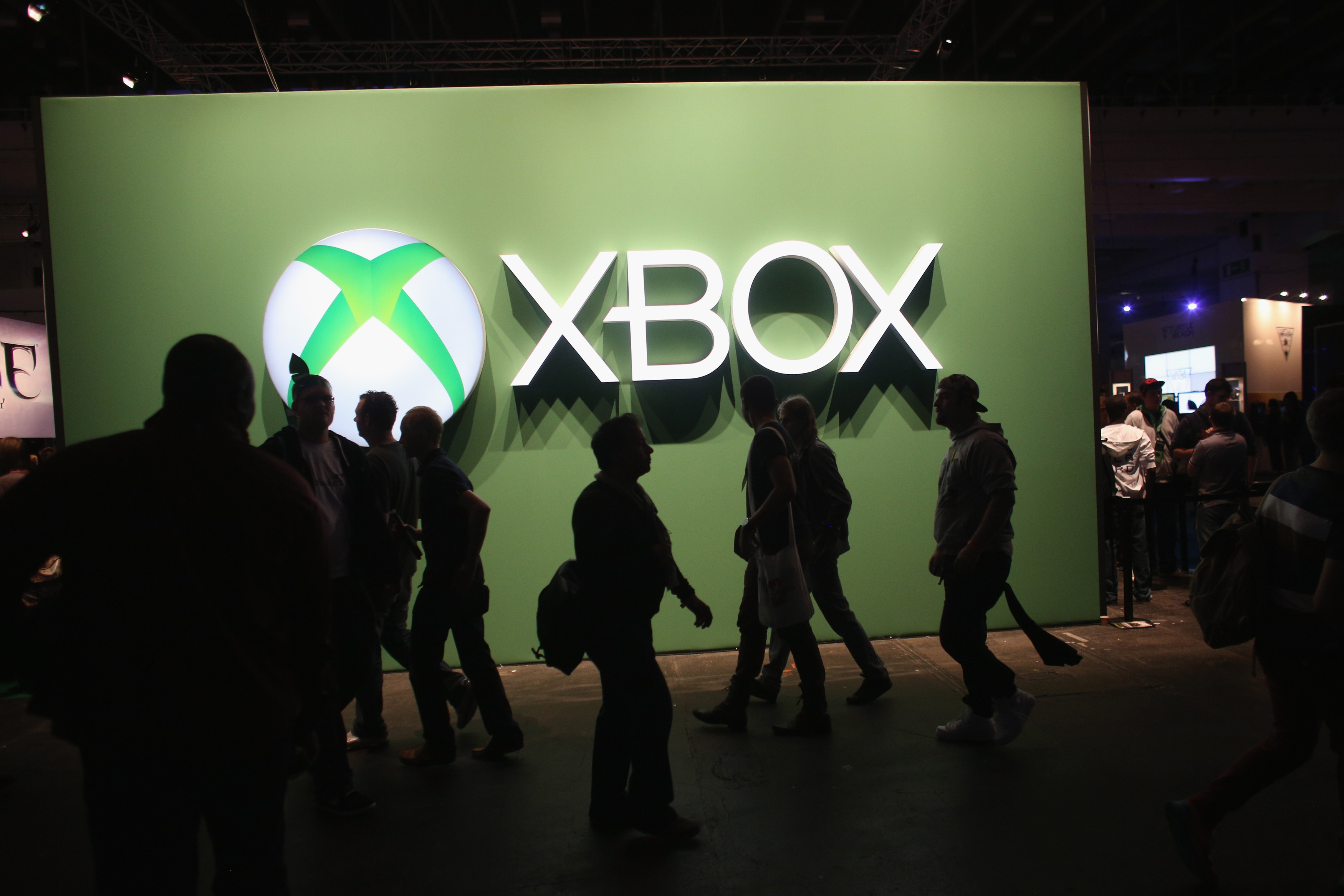
Attendees pass an Xbox advertisement at the Eurogamer Expo at Earls Court exhibition center on September 26, 2103 in London, England.Oli Scarff / Getty
On December 16, video game workers in the UK became the first branch of Game Workers Unite (GWU) to form a trade union. Although the video games sector is a relatively new industry, it is an increasingly important — and profitable — part of contemporary capitalism. Indeed, as Ian Williams has previously argued in Jacobin, the “exploitation in the video game industry provides a glimpse at how the rest of us may be working in years to come.”
So while this wave of unionization is clearly important for those who work in video games, it has much broader implications too. For many outside the industry, it might come as a surprise, but this struggle over contemporary work has been building for quite some time.
In 2016, I wrote about how the video games industry was developing in the UK. At that time, there was no evidence of workplace struggle — to an outsider at least. I commented that there was the potential for organizing in the industry, in particular around two issues: crunch time and institutional sexism.