Politics Is Not Harry Potter
Liberals love Harry Potter because it presents a world they desperately wish was a reality — one where the magic of facts and reason and elite education were enough to vanquish the ills of society.
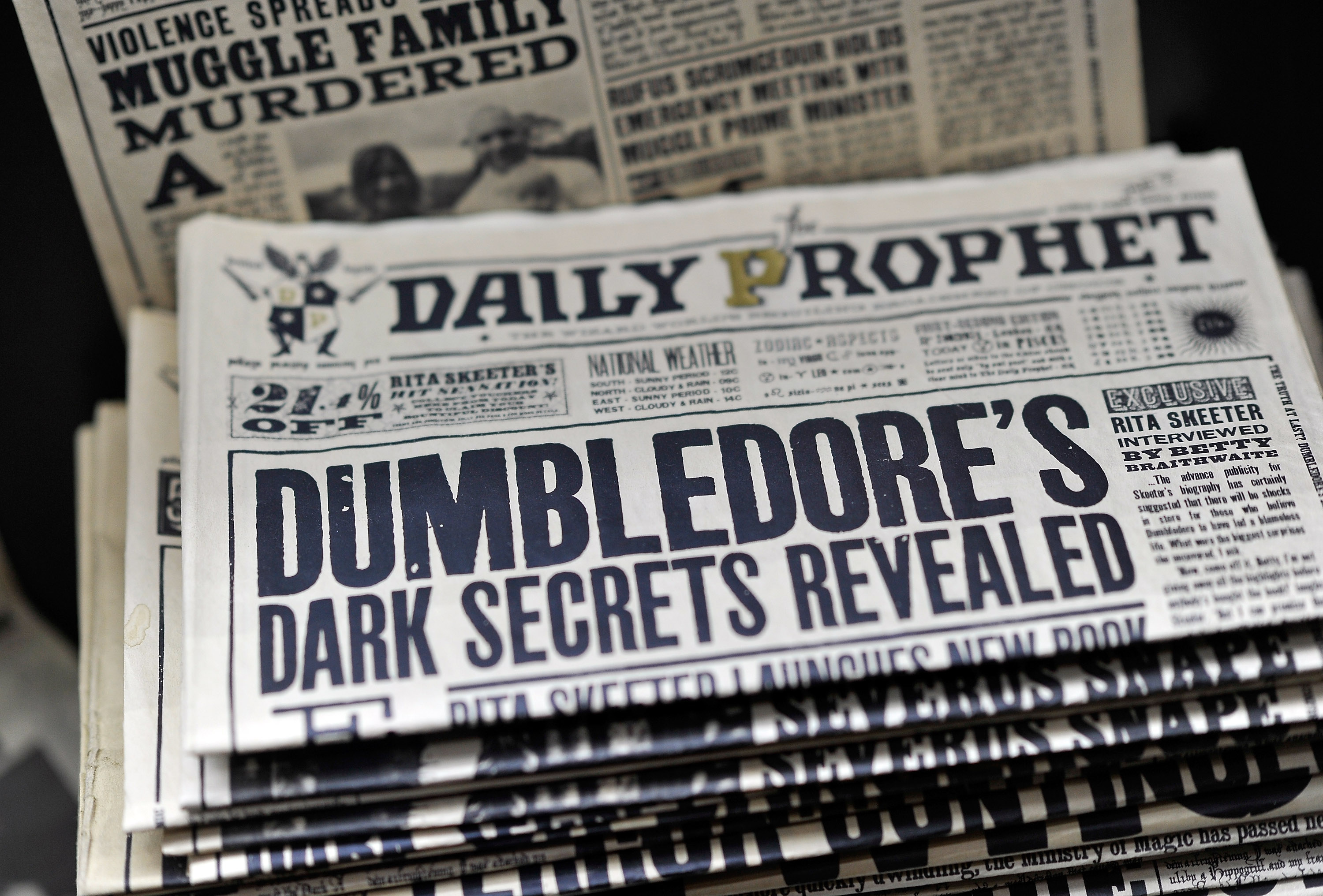
A view of props used on the set of Harry Potter at the Warner Bros Studio Tour London, at Leavesden Studios on March 30, 2012 in Watford, England.Gareth Cattermole / Getty
There is no getting around middle-class liberals’ love of Harry Potter as political theory. It is equal parts embarrassing and depressing to see grown adults filter their experience of our moment of tumult, with its attendant dangers and possibilities, into the question of whether someone called “Dumbledore” might approve. But this peculiar affection for Harry Potter is deeper than a mere fandom, because Harry Potter — with the concept of magic and the Wizarding World as its starting point — provides the blueprint for the ultimate liberal ontology of politics.
“What does magic mean in the context of these shared worlds?” Laurie Penny asks in a 2016 Baffler article investigating liberals’ infatuation with Harry Potter. “Magic means power, and it means privilege,” Penny writes, and she positions Harry Potter as fulfilling an anti-authoritarian fantasy for young adults disillusioned with reaction.
In one sense she is right, but there is also a particularly neoliberal authoritarian fantasy to Potterworld. “Magic,” as it is discussed in the Harry Potter universe, is a force that allows its wielder to have a profound and measurable impact without organizing, sacrificing, or indeed doing much of anything. JK Rowling presents her reader a fantasy world in which “being really good at homework” makes you a literal superhero.