Anything but Pacific
Emmanuel Macron celebrated New Caledonia’s vote to remain part of France as an indication of the Republic’s strength. Yet France’s continued control is based on a bloody history of repression against the independence movement.
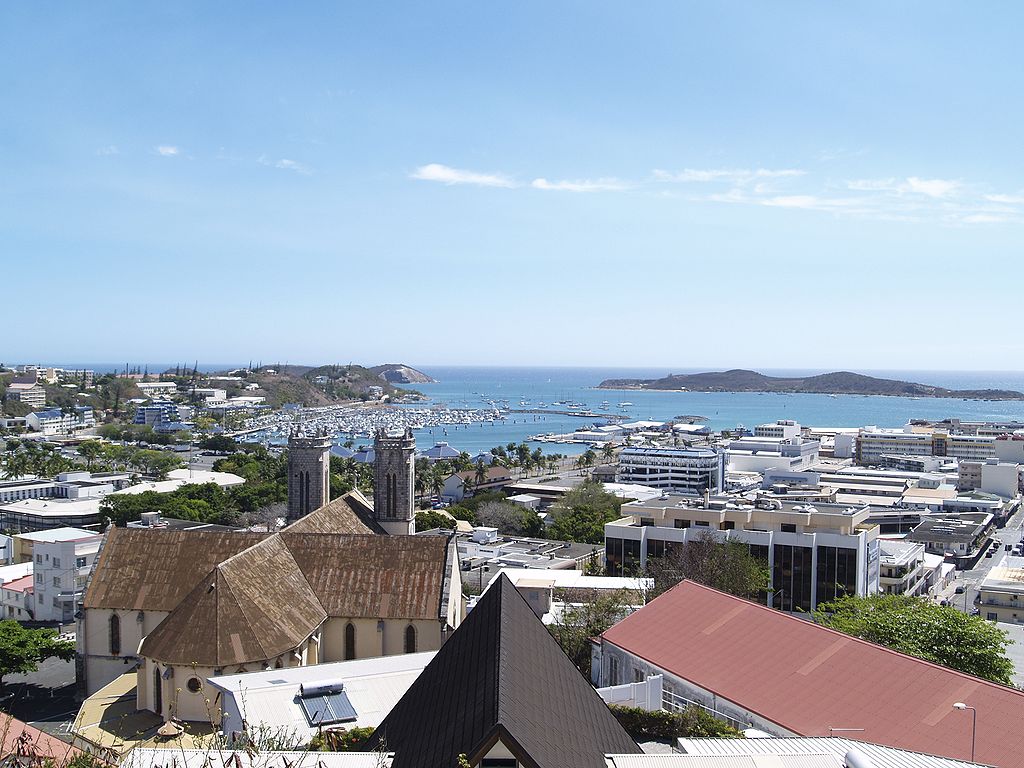
View of Noumea, New Caledonia, November 1, 2006.Thomas@RUN / Wikimedia
The French South Pacific territory of New Caledonia went to the polls on November 4 in a surprisingly close-fought vote on independence. The 56.4 percent for “no” against 43.6 percent for “yes” approximated to the ethnic and social division between the French settler community and the indigenous Kanak people. But the slimmer than expected margin of victory indicates that the future status of one of France’s last remaining colonies is a question due to remain on the political agenda.
New Caledonia (also known as Kanaky) has seldom figured centrally in the consciousness of metropolitan France, beyond colonial interests active in the territory. This is even true of the radical tradition of French anti-colonialism from Jean-Paul Sartre to Frantz Fanon, Aimé Césaire, Albert Memmi, or Michel Leiris. And yet, this territory was a quintessential focus of French imperialism, integrated into global capitalist circuits and a focal point of white settlement. Such issues have reemerged as the subtext of the divisions permeating the archipelago territory between the indigenous Kanak population and European settlers, as well as inhabitants of mainly Pacific-island or Asian heritage.
Colonialism might be, as Emmanuel Macron intoned last year, “a crime against humanity,” but for him the wound can be salved with timeworn clichés. The French president reacted to the poll by proclaiming the result “a sign of confidence in the Republic” and expressed his “pride that the majority of Caledonians chose France.” All sides should “look to the future” knowing that “the sole victor is the peace process that New Caledonia has been undergoing for thirty years, it is the spirit of dialogue.”