Britain’s Housing Casino
International speculators are playing games with our housing market — and we’re the ones losing.
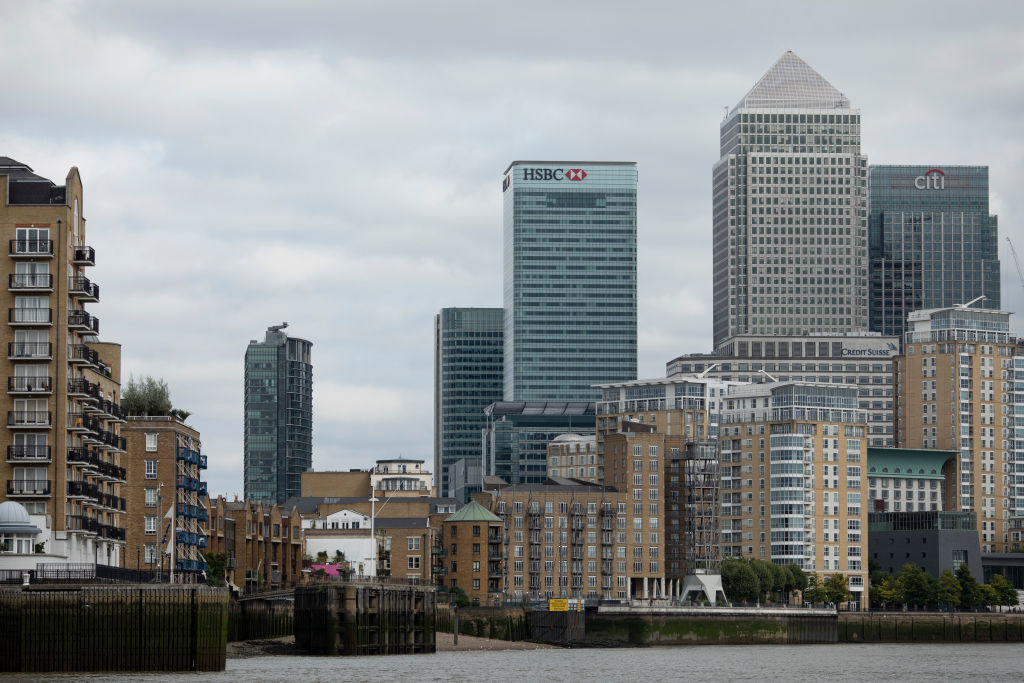
Housing along the River Thames near the Canary Wharf business district on August 22, 2018 in London, England.Dan Kitwood / Getty
This summer, in an attempt to tackle its housing crisis, New Zealand passed landmark legislation banning foreign ownership of domestic property. It was about time: a recent report from the Economist found that New Zealand has one of the least affordable housing markets in the world — prices in some areas have risen by 75 percent over the last four years.
At a time of enormous concentration of wealth, and low yields elsewhere in the economy, speculative investments have been flowing into housing at a record pace. As anyone who has lived in London will know, the United Kingdom faces similar problems. The influx of foreign money into the UK housing market has boosted prices by up to 30 percent since 1999. Average house prices would have been almost £40,000 lower in its absence.
But even averages disguise a more acute problem in some areas: overseas buyers purchased almost 4,000 of London’s 28,000 new homes between 2014 and 2016, and 70 percent of these were buy-to-let purchases. Whole tower blocks have been bought up by foreign investors and lie vacant, a trend you can observe by noting how few lights are turned on at night in many of central London’s larger apartment buildings. Two-thirds of the 210 flats in the Tower in Vauxhall, for instance, are owned by foreign investors.