Beyond Electoral Democracy
The radical democracy of the future requires more than just elections. We need a legislature by lot.
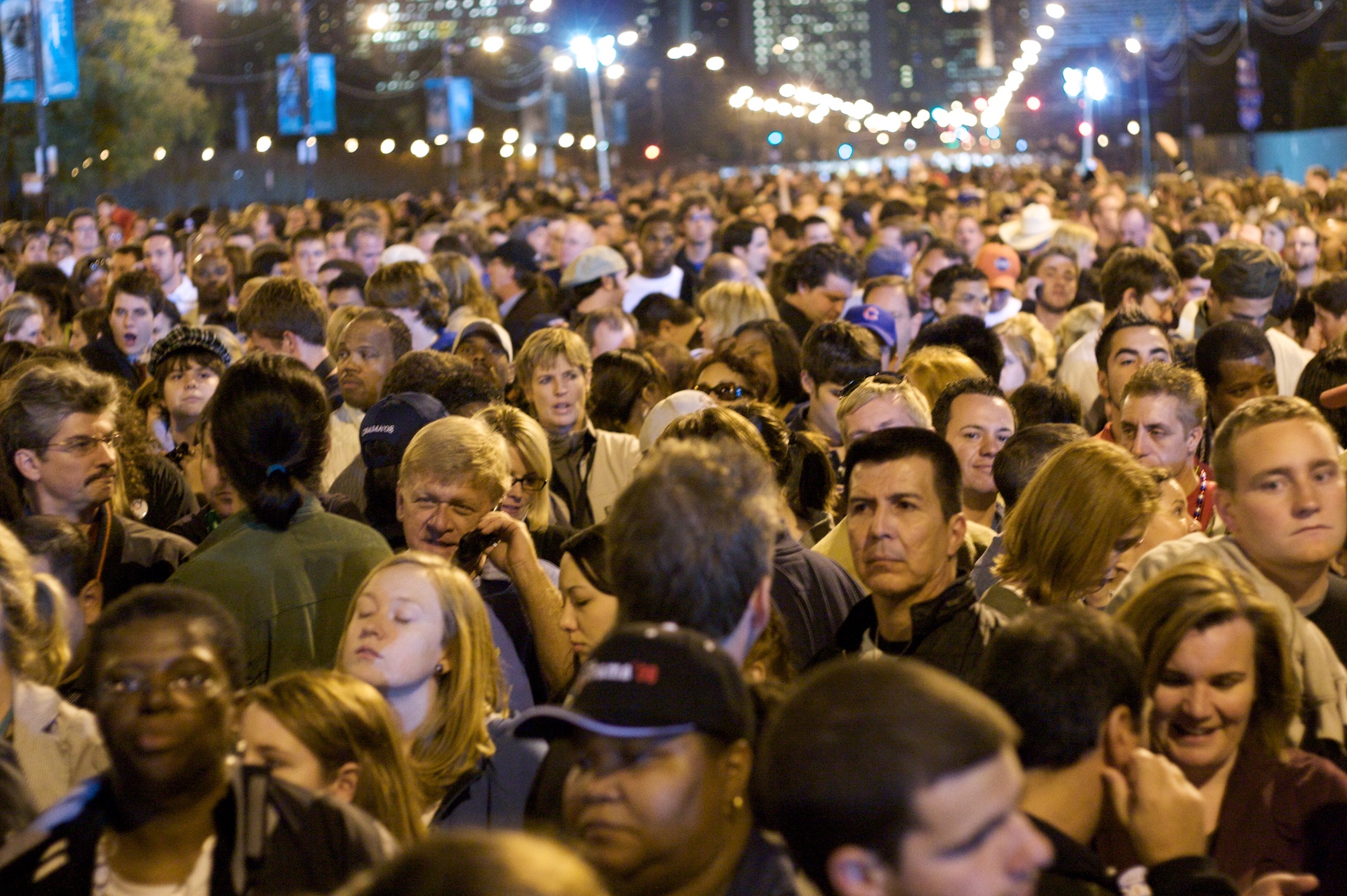
Bo Jayatilaka / Flickr
Across the globe, democracy is in retreat. From every direction, authoritarians have sprung to power — be it Trump in the US, Putin in Russia, Xi in China, or Modi in India. There are many reasons for the ebbing of the democratic tide, but a central one is the widespread disillusionment that many of the world’s people feel towards their purportedly democratic systems. Between the lofty ideals of democracy that politicians extol, and the bitter reality of spin doctors and cabinets of billionaires, a wide chasm exists.
Today the American system of democracy exists in name more than in substance. The institutions continue to be wrapped in the symbols and ribboned in the ornaments of self-government. Yet the truth, widely known yet rarely acknowledged, is that the American political system is increasingly run not by the people, but by the rich. Plutocracy. Leading scholars of American politics Martin Gilens and Benjamin Page conclude their recent study with the observation that “the majority does not rule — at least not in the causal sense of actually determining policy outcomes. When a majority of citizens disagrees with economic elites or with organized interests, they generally lose.”
What, then, is to be done? There has long been a conventional answer on the center-left: proportional representation and campaign finance reform — the former to enhance the representativeness of elections and the latter to reduce the distorting effects of money. This intuitive belief that the answer to our democratic problems is enhanced elections runs so deep that it is like an article of faith.