John Dewey’s Experiments in Democratic Socialism
John Dewey is commonly seen as the liberal philosopher par excellence. But his staunch commitment to democracy put him on a collision course with capitalism.
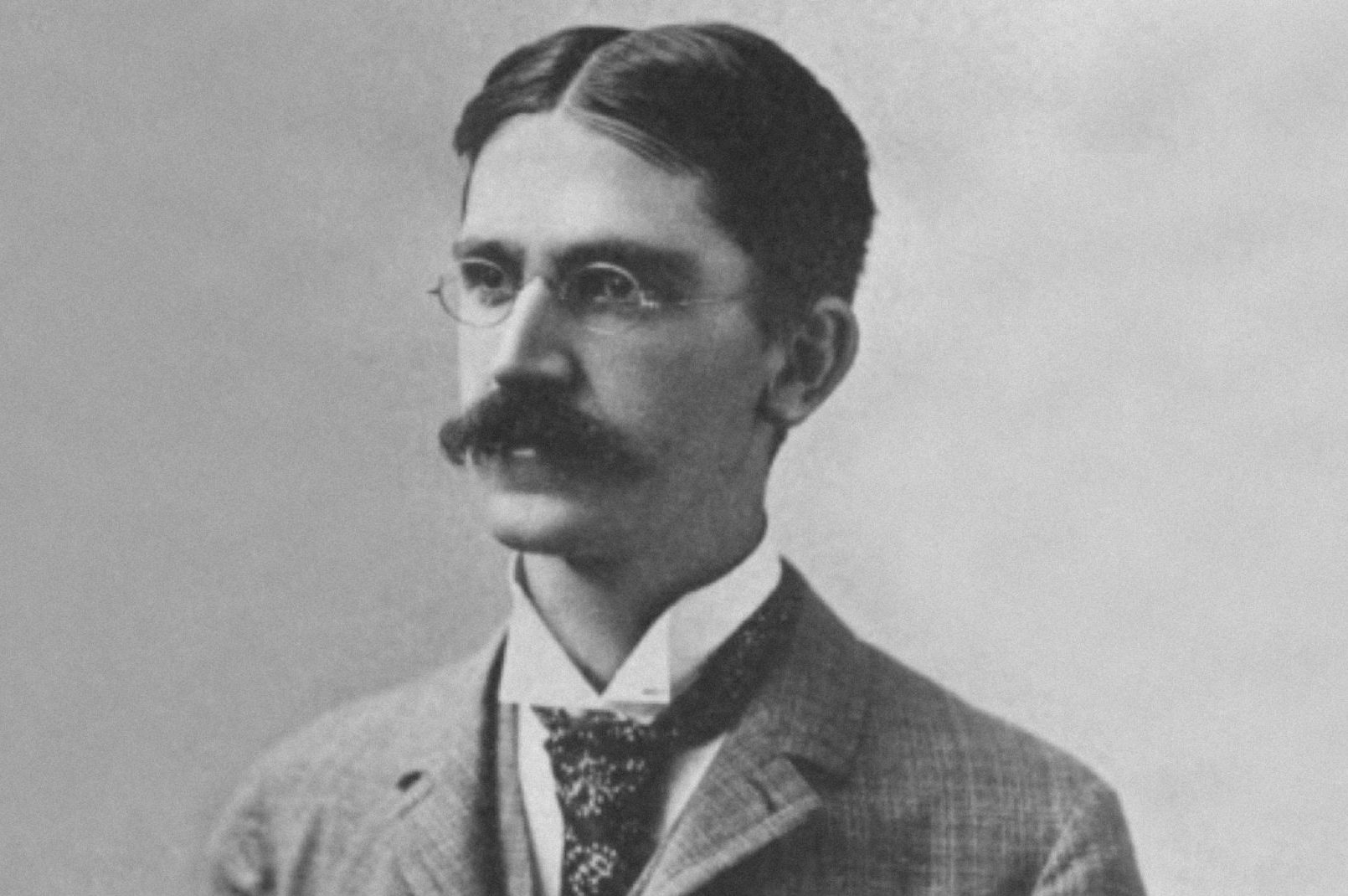
John Dewey as a young professor of philosophy and psychology at Michigan, 1891.
“If radicalism be defined as perception of need for radical change,” the American philosopher John Dewey wrote in his 1935 book Liberalism and Social Action, “then today any liberalism which is not also radicalism is irrelevant and doomed.”
Over the course of a lifetime that stretched from the Civil War to the Cold War, Dewey pushed liberal commitments to freedom of inquiry, equal opportunity, and personal liberty to their democratic limits. Realizing that equal liberty for all required democratizing institutions from the state to the workplace and the school, Dewey set his radical liberalism on a collision course with the capitalist social relations that liberalism historically served.
While the Vermont product became one of the twentieth century’s most well-known philosophers, widely considered the philosopher of American democracy itself, his idiosyncratic thought earned him enemies across the political spectrum. The Right saw him as a Communist, the Communist Party saw him as a philosopher of reaction. As for Dewey, the only “ism” he could attach his name to was “experimentalism.”