Joschka Fischer’s Long March
How the Green Party wunderkind transformed German capitalism, and with it, himself.
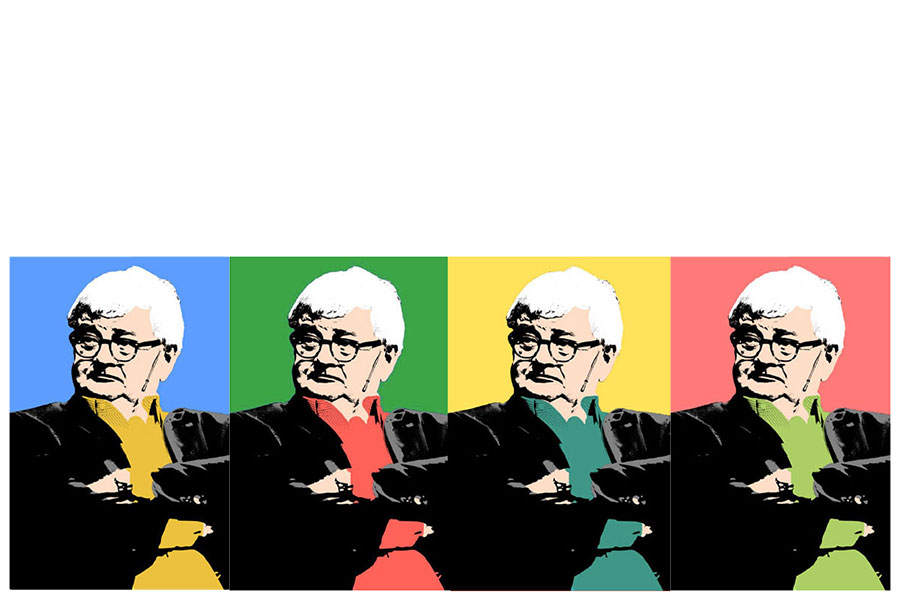
Out of the 1968 generation, few political transformations are better known than that of Joschka Fischer — a street fighter turned foreign minister turned business consultant.
Born the son of a butcher in conservative southwestern Germany, Fischer moved to Frankfurt in the mid-1960s, drawn to the emerging radical student movement there. He would quickly establish himself in the “Sponti” scene, a left-libertarian counterpart to the movement’s more traditional Communist wing. Yet despite the “spontaneist” label, Fischer’s group, Revolutionärer Kampf (“Revolutionary Struggle”), began not as a group of squatters and street fighters, but one dedicated to organizing in Frankfurt’s big factories.
Inspired by Italian operaismo, they took blue-collar jobs and agitated among workers, leaving campuses to capitalize on increasing labor unrest. Fischer industrialized at the local Opel factory, but was fired after only six months. He would spend the better part of the decade working as a taxi driver and selling used books.