The Lessons of West Virginia
West Virginia’s historic wildcat strike has the potential to change everything.
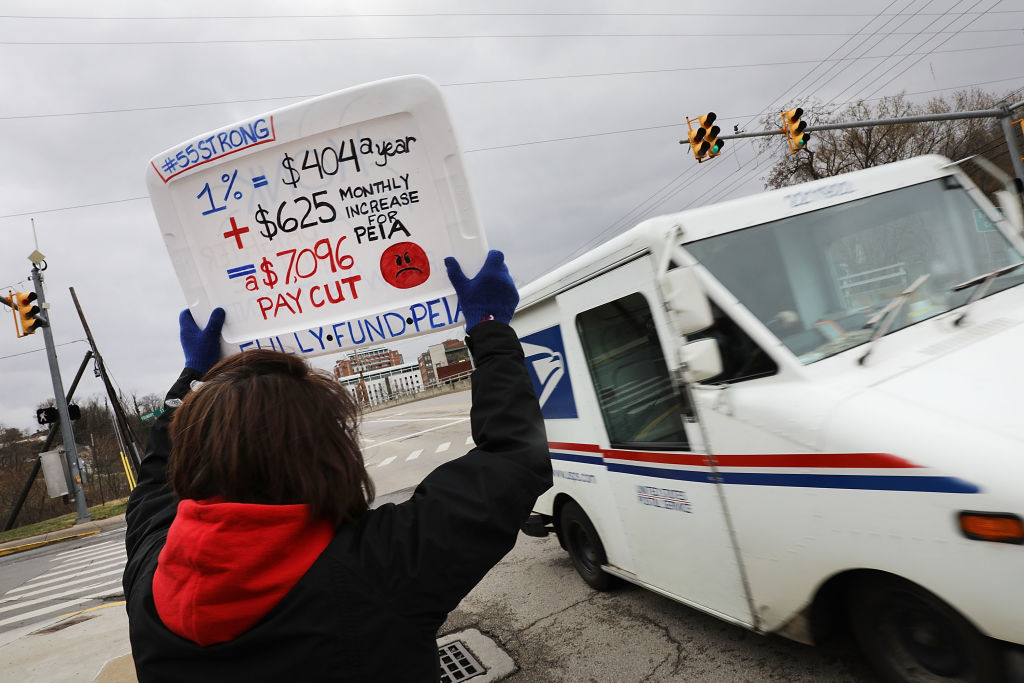
West Virginia teachers, students, and supporters hold signs on a Morgantown street as they continue their strike on March 2, 2018 in Morgantown, West Virginia.Spencer Platt / Getty
The Great West Virginia Wildcat is the single most important labor victory in the US since at least the early 1970s. Though the 1997 UPS strike and the 2012 Chicago teachers’ strike also captured the country’s attention, there’s something different about West Virginia. This strike was statewide, it was illegal, it went wildcat, and it seems to be spreading.
West Virginia’s upsurge shares many similarities with the rank-and-file militancy of the late 1960s and early 1970s. But there are some critical differences. Whereas labor struggles four decades ago came in the wake of a postwar economic boom and the inspiring successes of the Civil Rights Movement, this labor upheaval erupted in a period of virtually uninterrupted working-class defeats and economic austerity. The Supreme Court’s impending decision to throw the whole public sector back into the open-shop era gives West Virginia’s strike an added degree of momentousness.
It’s too early to tell whether West Virginia will spark the revival of a fighting labor movement nationwide. Much depends on whether workers here can keep winning over the coming months — and whether a looming public education strike wave materializes in Oklahoma, New Jersey, Arizona, Kentucky, and beyond.