Muddling Through Isn’t Enough
Modern democracy seems resistant to programs of sweeping change. But they may be the key to its survival.
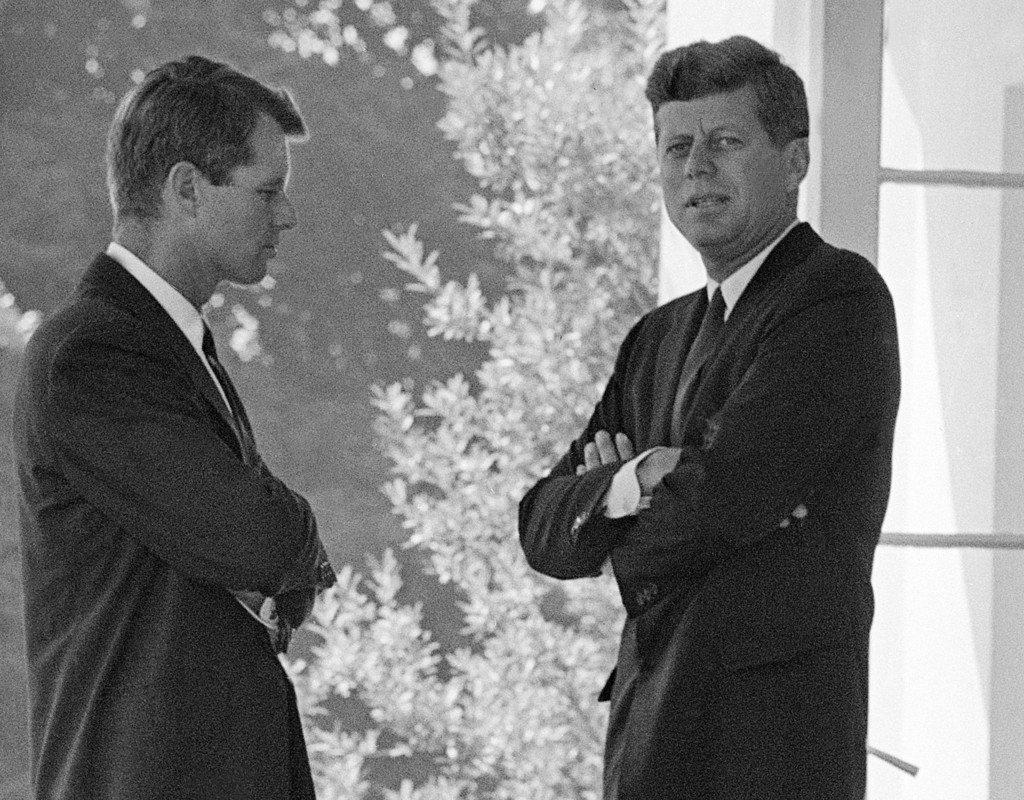
President Kennedy and his brother, Attorney General Robert F. Kennedy, confer on October, 3, 1962 during the Cuban Missile Crisis.Cecil Stoughton / John F. Kennedy Presidential Library and Museum
At the height of the eurozone crisis, in 2011 and 2012, and then again in 2015 when Greece threatened to tumble out of the currency union, one could hear daily laments in the international press about the EU’s tendency to “muddle through” and its preference for “kicking the can down the road.”
The inability to deal decisively with the eurozone’s problems was attributed to the obstacles of democratic politics: too many national leaders constrained by too many domestic publics, each with different wishes, each able to vote prime ministers and presidents in and out of office come election time.
Some grumbled about the EU’s high-handed, technocratic style, but many more complained at its inability to deal swiftly with the banking and sovereign debt crises. The German sociologist Claus Offe captured the public mood in his 2015 book, Europe Entrapped. Unable to move forward, and unable to move back, Europe was the victim of a dramatic absence of political will.