The New Abolitionist Model
Julie Bindel’s The Pimping of Prostitution puts sex workers in its crosshairs.
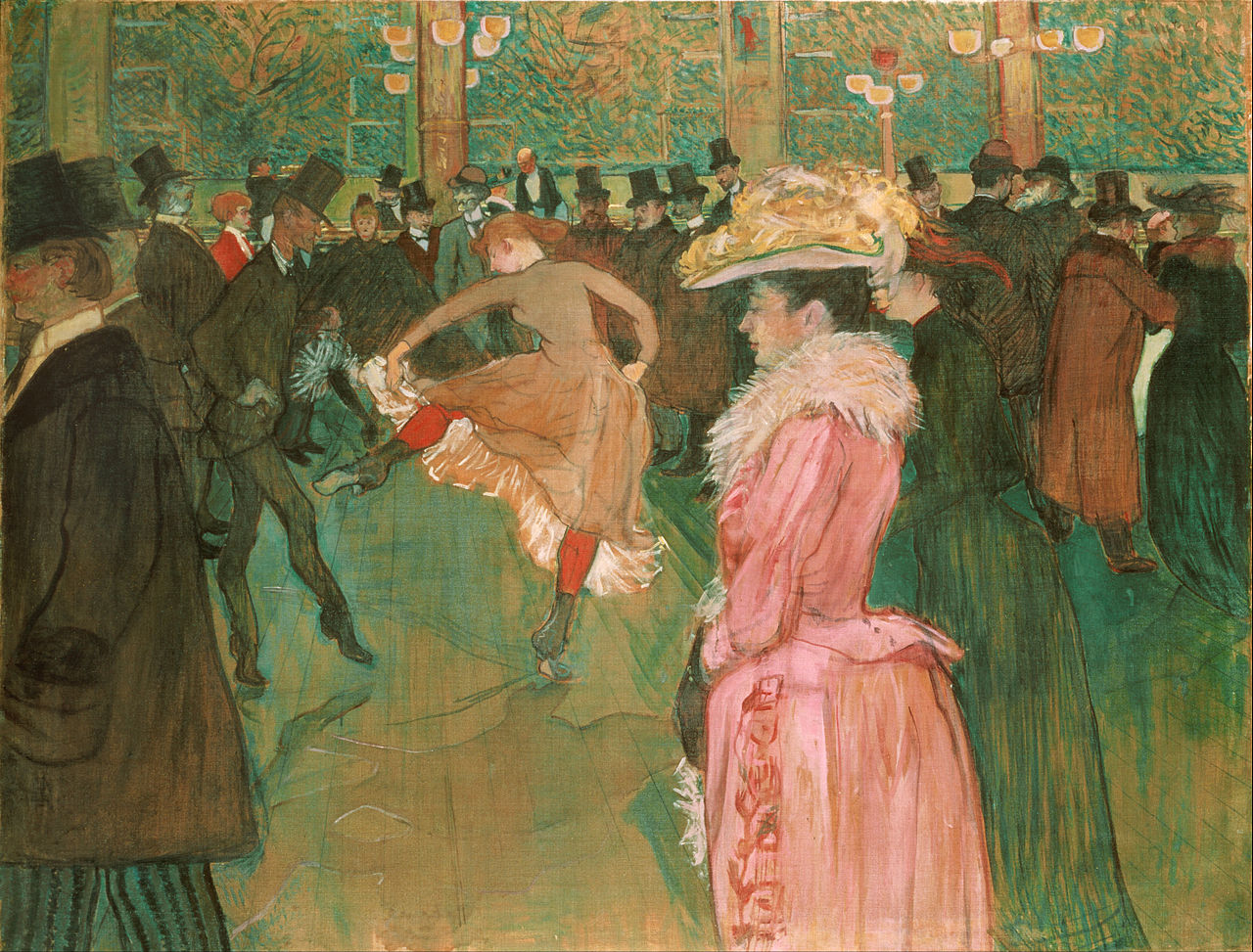
At the Moulin Rouge: The Dance by Henri de Toulouse-Lautrec, 1890.Philadelphia Museum of Art / Wikimedia
Entry for an encyclopedia of feminism: The Sex Work Wars: Decades of acrimonious debate about the meaning of exchanging sex for money. Near-total disagreement about terms, definitions, causes, and effects, and how to measure the involved phenomena. Mutual incomprehension on cultural meanings of sex, sexual identity, and gender relations. Laws backed by politicians based on the supposed truth of one or the other view. Little improvement for those being discussed. Outgrowth of the Lesbian/Feminist Sex Wars of the 1980s.
A new shot has been fired in the Sex Work Wars. Julie Bindel’s The Pimping of Prostitution calls for a return to more authentic beginnings, when, as she tells it, everyone involved in the 1960s women’s liberation movement was in thrall to a few shining leaders.
This version rings no bells for me. We were revolting against 1950s domestic ideology that told women to be quiet, feminine, and satisfied with making homes for men. The meaning of liberation was to figure out how to live on our own terms, and if we did read mimeographed newsletters from activists, we didn’t think we had to agree with them. We didn’t feel anyone was our leader. We talked together on the streets, in classrooms, in cafés. Everyone’s experiences counted.