Power Play
The high-level purge in Saudi Arabia has more to do with consolidating power than fighting corruption.
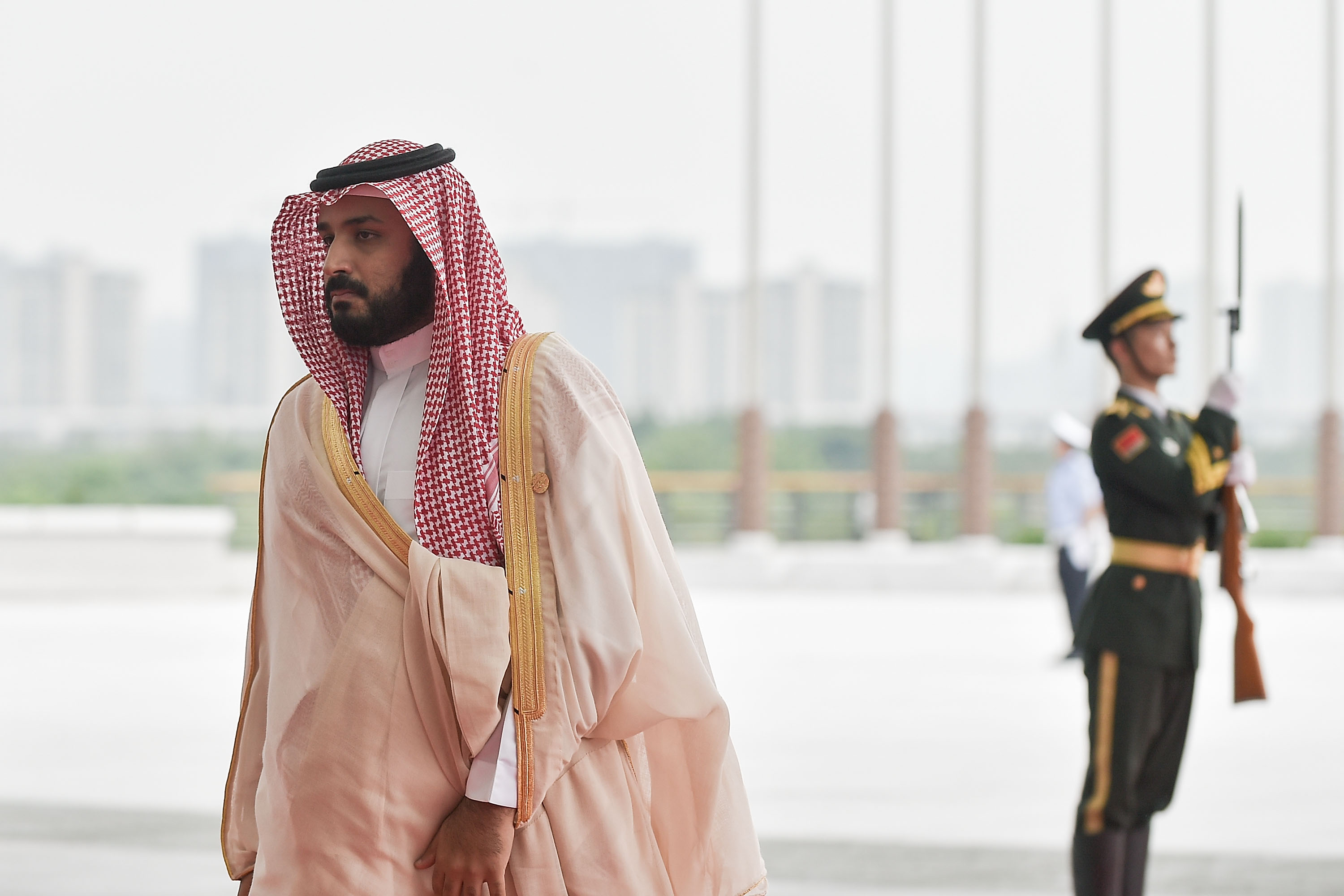
Muhammad bin Salman Al Saud arrives at the Hangzhou Exhibition Center to participate in the G20 Summit on September 4, 2016 in Hangzhou, China. Etienne Oliveau / Getty
Many western analysts have referred to Saudi Arabia’s thirty-two-year old crown prince, Muhammad bin Salman (MBS), as the “de facto ruler” of the Saudi kingdom, acting in the name of his father, King Salman. There’s good reason for this — the state of the eighty-one-year-old Salman’s faculties has been the subject of Saudi gossip for some time now, and the kingdom’s increasingly forceful foreign policy certainly seems to bear MBS’s imprimatur alone.
But at some point, either due to his father’s eventual death or perhaps abdication (another favorite topic of Saudi speculation), MBS will become the kingdom’s de jure ruler as well. And over the past several days, under the guise of a purported anti-corruption campaign, the Saudi prince has been working overtime to sideline any potential rivals to his eventual accession to the throne.
On November 4, scores of prominent Saudi figures, including eleven princes and several of the kingdom’s wealthiest individuals, were arrested under the authority of an anti-corruption committee that had been formed — at the bidding of MBS, naturally — just hours earlier. While the Saudi media, and some particularly credulous western reporters, have dutifully characterized these detentions (and at least one royal death) as part of a crackdown on Saudi corruption, it’s difficult to avoid the conclusion that they more about removing potential sources of opposition to MBS’s succession and his policies.