The Next Battle
Macron’s anti-union reforms have passed the first stage, so what’s next for the French left?
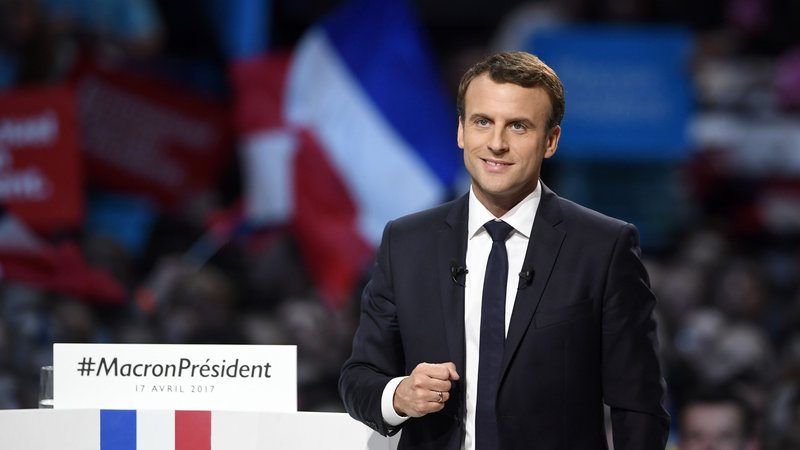
Emmanuel Macron campaigns during his successful presidential campaign earlier this year. (Credit: AFP/Claude Mitreuil)
Macron’s gamble appears to be paying off. By front loading his five-year term with sweeping labor law reforms, the newly elected president bet that the union movement and its allies would be too weak and divided to seriously contest their passage. So far, the decision has proven wise.
On Friday September 22nd, in the aftermath nationwide protests, Macron signed into effect broadly unpopular executive orders that would weaken job security protections and curtail union rights. For the changes to become permanent, Parliament must adopt them in the coming months. The hurdles are virtually non-existent. The government boasts an En Marche super-majority in the National Assembly and the right-wing Les Républicains control the Senate.
Still, if the path looks clear now, history suggests impasse is not impossible. Previous governments have withdrawn unpopular labor reforms in the face of mass protests and strikes — famously in 1995 over retirement cuts; more recently in 2006 over a proposed youth employment contract. And while today’s contestation is both limited and fragmented, it contains the recognizable seeds of a larger movement. Whether such an upsurge occurs is an open question that will be answered in the coming weeks.