The Case for Single-Payer
Winning Medicare for All would allow us to take a giant step toward health justice.
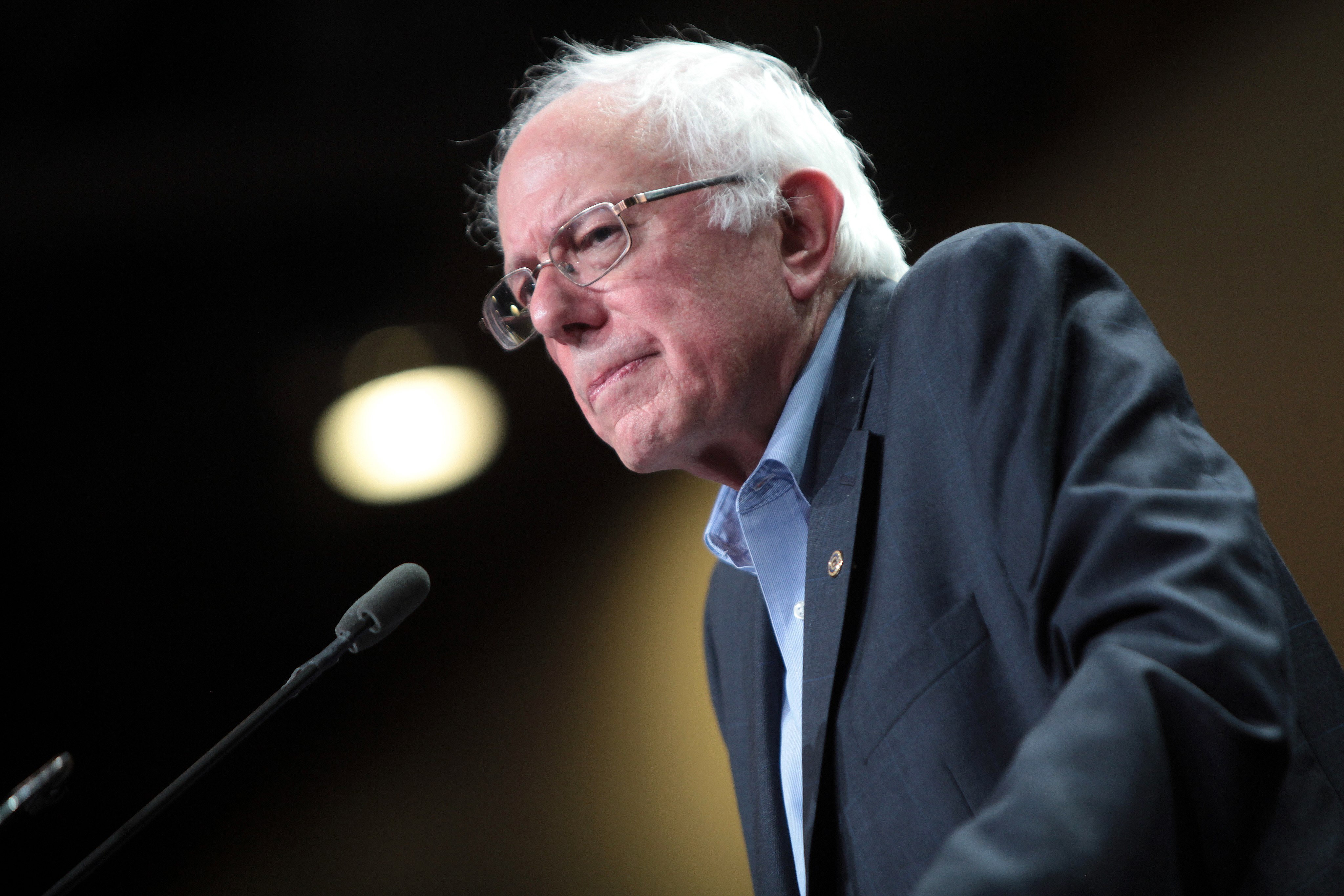
Senator Bernie Sanders of Vermont speaking at a town meeting at the Phoenix Convention Center in Phoenix, Arizona, July 18, 2015.Gage Skidmore / Wikimedia
The existing system of insurance in America — a heavily commodified, limited-coverage, multi-payer model — represents the abject failure of market liberalism. At the core of the problem is a basic fact: it’s not profitable to insure people who are sick or likely to get sick. Without massive government subsidization (or, in the case of Medicare or Medicaid, government financing and cost regulation), profit-seeking insurers, with relatively small pools of customers among whom to spread costs, are compelled to restrict coverage, increase premiums, illegally coerce sick people to drop their plans, or abdicate their responsibility entirely and push the costs of care onto their customers.
People end up spending money they don’t have on health care services they can’t afford — but also can’t afford to live without. All the while, health care costs soar, outpacing both inflation and US insurers’ ability to stem their ascent. These forces pervert the notion of “health care” itself, transforming it into a transaction between a customer and an insurance company rather than a relationship between a person, their body, and their doctor. Profit, not human need, is the governing principle.
Single-payer is a very different model. By making the federal government the country’s health insurer, it would make it possible to bring down costs while ensuring everyone gets the high-quality care they need — especially those people the market deems “unprofitable.” It would reshape the relationship between industry, the state, and patients — laying the groundwork for genuine health justice.