The Gilded Age Roots of American Austerity
Donald Trump’s One Big Beautiful Bill isn’t just a modern assault on SNAP and Medicaid — it’s the revival of a 150-year-old playbook. From Civil War pensions to modern welfare programs, political elites have long moralized against need while rationing care.
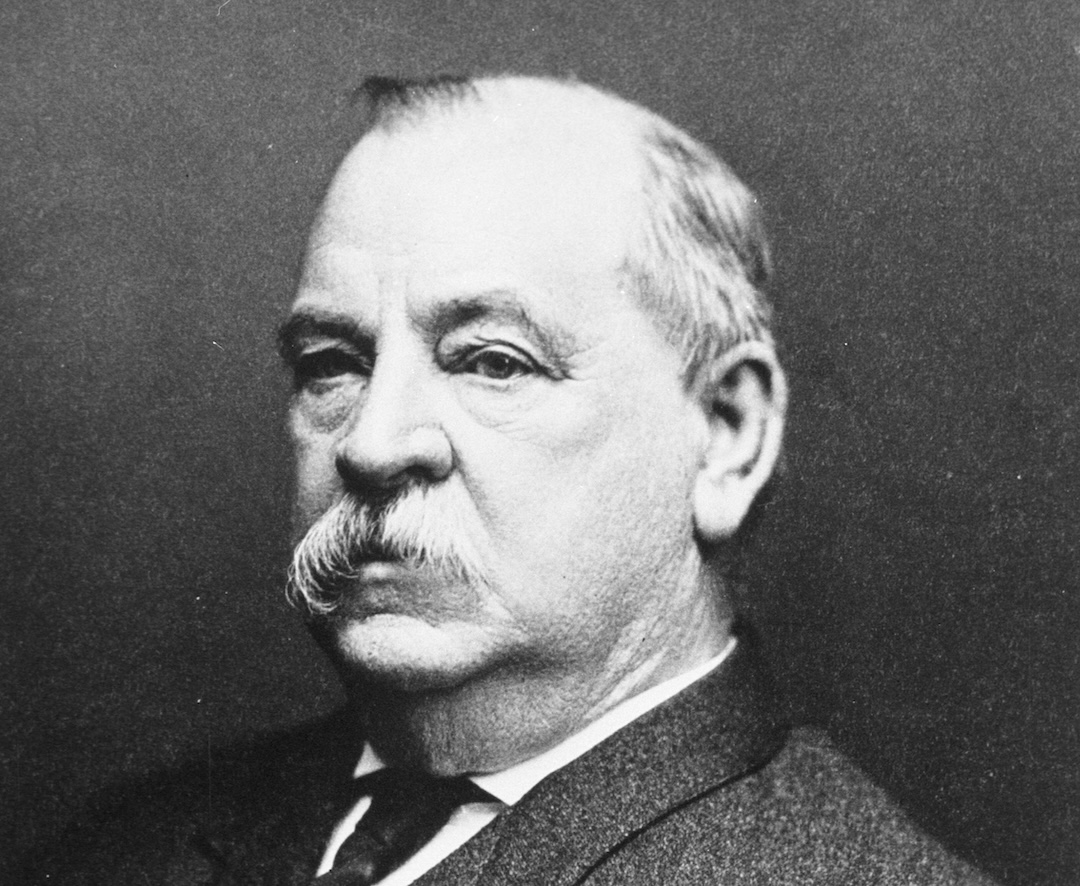
Portrait of the twenty-fourth US president, Grover Cleveland. (National Archives / Newsmakers via Getty Images)
The American welfare state has always been imperfect because it has always been incomplete — means-tested rather than universal, stigmatized rather than celebrated. Austerity is not just a matter of budget cuts or political whims but a built-in feature of this system, one that relies on the careful rationing of public provision.
Programs such as Social Security and Medicare — often labeled “entitlements,” a term that technically refers to legal eligibility but is frequently deployed to connote excess or unearned privilege — have proven more resilient in the face of perennial threats of defunding and privatization. Their durability stems in part from cultural notions of the presumed “worthiness” of the clientele and in part from the sheer number of Americans who depend on them and hold them in consistently high regard.
The other line on this two-track system runs through a populace equally sizable but regarded by many as unequally deserving: those low-income Americans who rely on Medicaid and food assistance programs such as the Supplemental Nutrition Assistance Program (SNAP). These programs have long been the targets of austerity measures, not necessarily through headline-grabbing slashes in funding, but through steady administrative erosion and rhetorical vilification. Medicaid currently serves about forty million people, a fraction of those who cannot afford skyrocketing health care costs.