Bulgaria’s Missing Euro Debate
Bulgaria is set to become the latest member of the European single currency. The move is painted as an almost natural march of progress — with little to no public debate on what it really means for Bulgarians’ living standards.
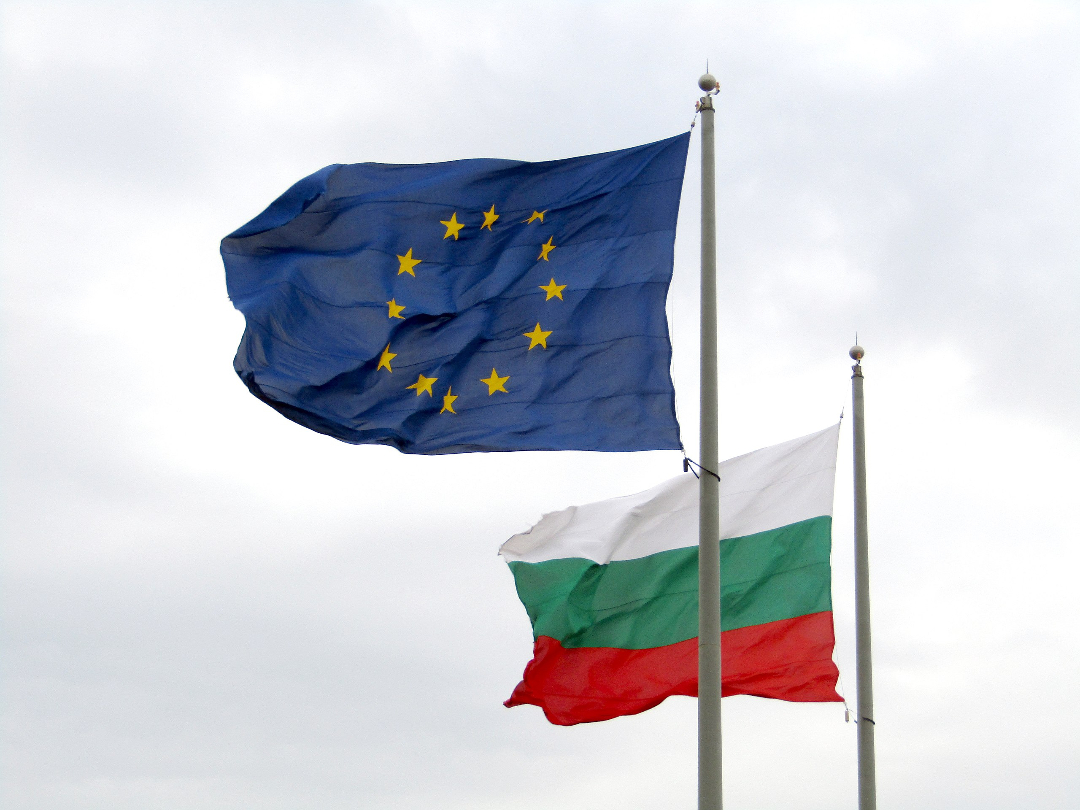
Bulgaria’s road to eurozone accession was enshrined in its 2007 European Union Membership Agreement. (Alicia Fagerving / Wikimedia Commons)
While the world’s eyes are set on the dismantling of the Euro-Atlantic alliance, Bulgaria seems set to finalize its accession to the eurozone amid an atmosphere of peak anti-politics. The government declares that “membership in the most developed monetary union in the world brings significant political and reputational benefits” and that “Bulgaria will take a major step forward in separating itself from the EU’s ‘periphery.’”
Yet the eurozone is in fact a currency union wracked by inner tensions. It seems sure that the euro’s inbuilt mechanism of capital and value extraction from small, uncompetitive economies is not going to spare Bulgaria. The lack of awareness about these prospects and the ill-informed discussion and decision-making on all sides — added to the virtually nonexistent resistance from the Left — don’t bode well for Bulgaria’s path forward.
Risks and Benefits
Bulgaria’s road to euro membership was enshrined in its 2007 European Union Membership Agreement — an arrangement that Denmark and Sweden were allowed to opt out of, while the Czech Republic, Hungary, and Romania have delayed this step.