How Karl Marx Became a Communist
In his new biography of Karl Marx, Bruno Leipold puts his subject in historical context. Marx, he tells Jacobin, was engaged in a political struggle against utopian communists and republicans unable to recognize the incompatibility of freedom and capitalism.
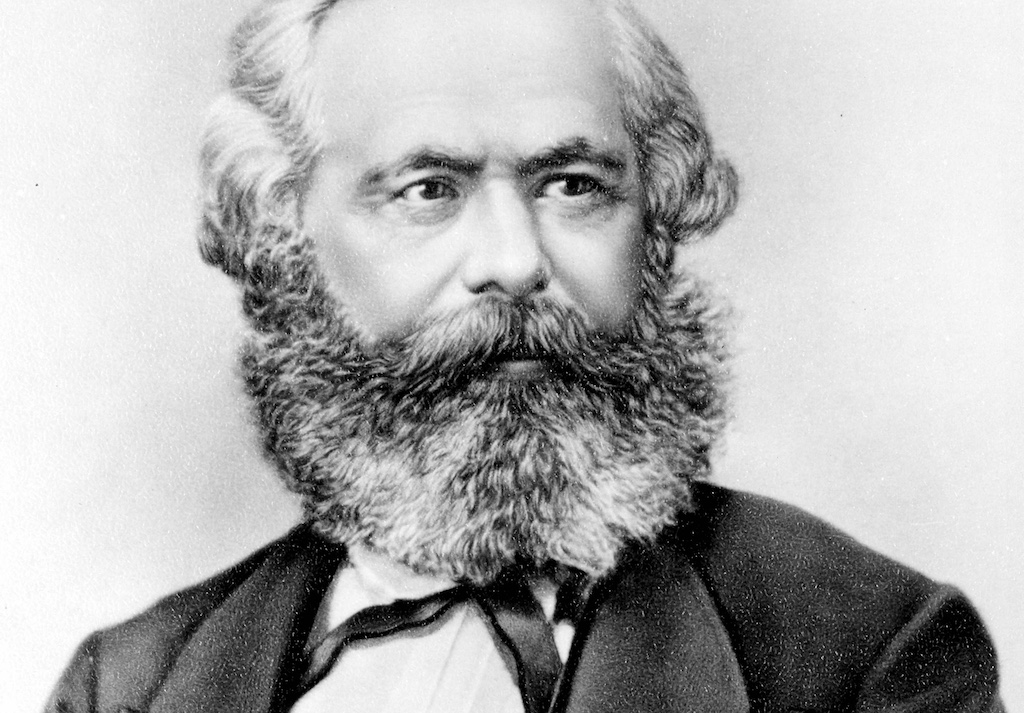
Karl Marx was committed to the republican notion of freedom. (Roger Viollet / Getty Images)
Three traditions have usually been considered to influence Karl Marx’s work: German philosophy, British political economy, and French socialism. Perhaps surprisingly, much less attention has been paid to the influence of republicanism, an ideology and political formation that competed with socialism for working-class support during Marx’s time. Recently, however, there have been several efforts to highlight the role of republicanism in shaping Marx’s ideas. Among these is Bruno Leipold’s newly released book, Citizen Marx: Republicanism and the Formation of Karl Marx’s Social and Political Thought.
Leipold argues that placing Marx in his historical context is essential to understanding the complexity of his thought and its contemporary relevance. Initially, Leipold argues, Marx was committed to the republican notion of freedom, defined as the absence of arbitrary power, and advocated for a democratic republic in which citizens exercised active popular sovereignty. Over time, however, and despite retaining key elements of his republican heritage, Marx shifted toward communism.
Leipold sat down with Jacobin to discuss these developments in Marx’s thinking and their broader significance for how socialists ought to understand emancipatory struggles in a world still shaped by the arbitrariness of capitalist domination.