Emmanuel Macron Takes a Stand: No Tax Increases for the Rich
New French prime minister Michel Barnier wants to cut the budget deficit, but the president and his allies are resisting all talk of tax increases. They’re dead set on spending cuts — and to pass them, they’ll likely need the far right’s support.
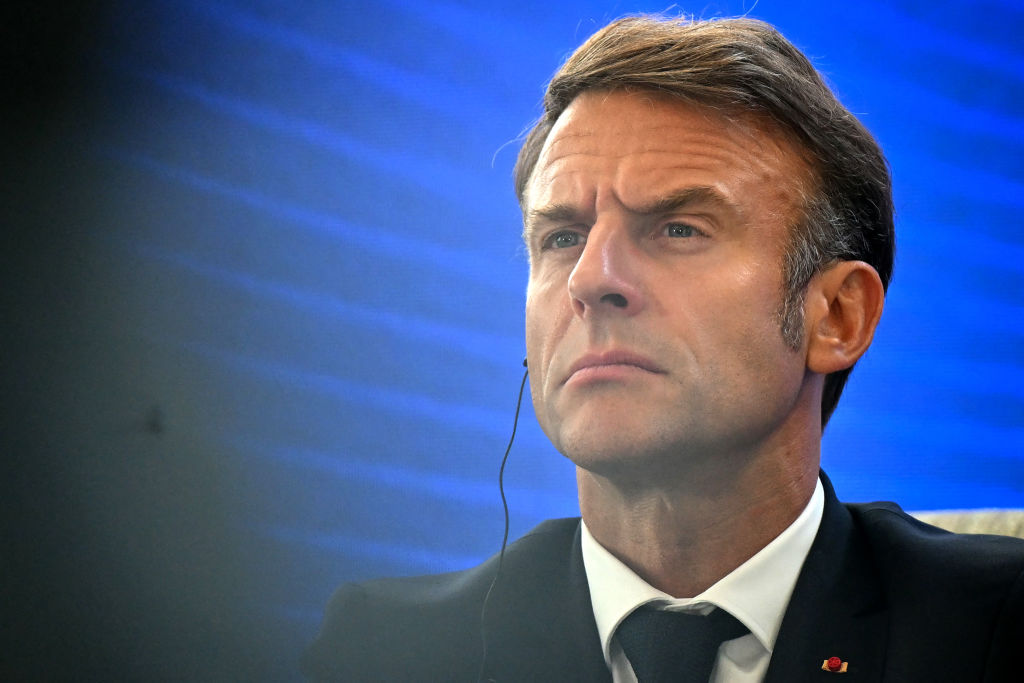
French president Emmanuel Macron in Novi Sad on August 30, 2024, during a two-day official visit to Serbia. (Oliver Bunic / AFP via Getty Images)
Michel Barnier has no mandate to “unwind what has been achieved” since 2017, Emmanuel Macron told allies this week, as a rift appeared between the president and his new prime minister. On September 5, Macron had imposed Barnier as head of government, in a choice that ignored the largest force in parliament, the left-wing Nouveau Front Populaire (NFP). Yet barely two weeks later, relations have already begun to chill between Macron’s closest allies and the new premier.
After this summer’s snap elections brought a major defeat for the president, the choice of Barnier — a member of the center-right Républicains — offered Macron a route to maintain control over the National Assembly. Given the weakness of Barnier’s party, which counts only 47 MPs in the lower house, the new prime minister will be forced to march in lockstep with the 166 MPs making up the bloc that supported Macron in the last parliament. This means keeping on a share of Macronist ministers and, most importantly, preserving the president’s agenda.
But over the last week, government negotiations between the Macronists and the new prime minister seemed to take a turn for the worse. Leaders of the president’s party in parliament, Ensemble pour la République, aired concerns that Barnier was pushing them out of the top positions in cabinet and reserving the most powerful posts for fellow Républicains. In a reportedly tense September 17 meeting, Macron rejected the preliminary list — as yet unknown to the press — that Barnier proposed for his cabinet.