A National Tenants Bill of Rights Would Give Power to Renters
Corporate landlords and private equity investors are overtaking the US housing system. As renters face increasingly excessive rent, a new National Tenants Bill of Rights aims to provide them with basic rights and protections.
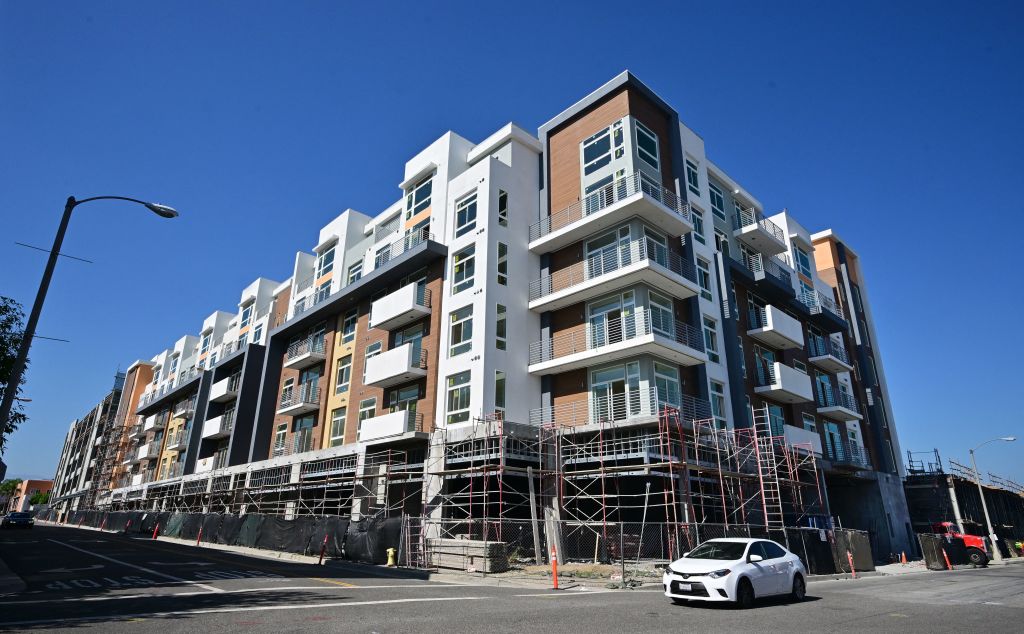
A new apartment complex being built in Alhamba, California, on September 6, 2023. (Frederic J. Brown / AFP via Getty Images)
I teach a law school clinic where my students and I represent tenants who face eviction and live in horrible housing conditions. Too often, we see tenants getting railroaded by the fast, cheap, and easy eviction process in US courts. In many states, they can be forced out of their homes for no reason and with just a few days’ notice. We see tenants plunged into homelessness after their price-gouging landlords hike rent by 30 percent and more. We see tenants complaining in vain when their heat and water are not working, when mold builds up, and when rodents scuttle through their bedrooms. Then they are evicted as retaliation for making those complaints.
These struggles are common among the nation’s 114 million renters. Meanwhile, seven million households are behind on their rent and the number of homeless people is reaching record highs.
A new effort called the National Tenants Bill of Rights aims to change all of that, articulating seven basic renters’ rights that ought to be enshrined in policy. Created by the Tenant Union Federation, the National Housing Law Project, and the National Low Income Housing Coalition, the Bill of Rights confronts the enormous power imbalance between renters and their landlords. The purpose of the document is to lay out a single comprehensive policy agenda that lawmakers, advocacy groups, and tenants themselves can endorse and use as a movement resource.