Giuseppe Garibaldi Was a Proud Internationalist
On this day in 1882, Giuseppe Garibaldi died after a lifetime fighting for a united Italy. He combined his patriotism with a proud internationalism — and a thirst for freedom that inspired working-class struggles throughout the twentieth century.
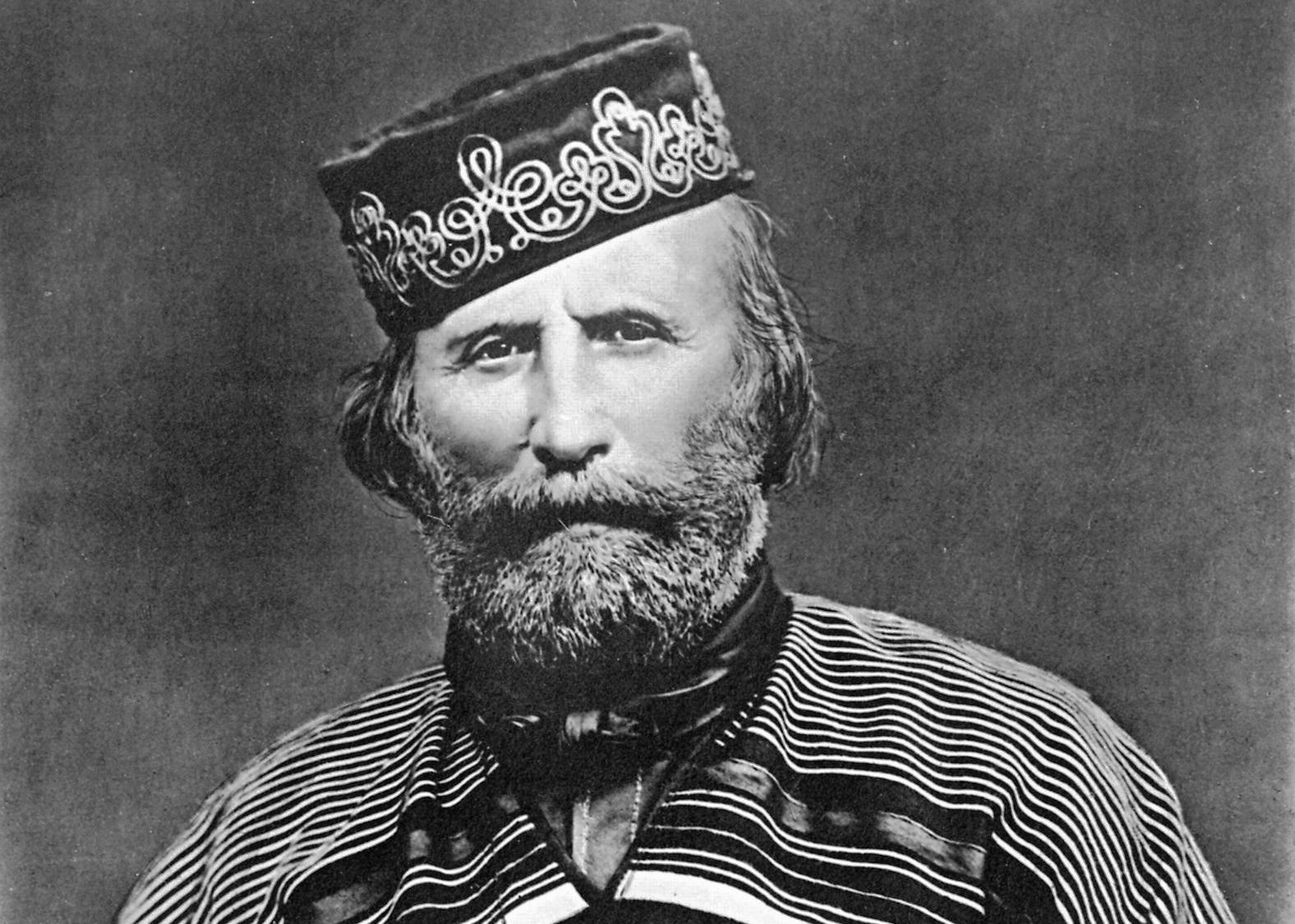
Giuseppe Garibaldi poses for a portrait in 1867. (Wikimedia Commons)
June 2 marks the anniversary of the Italian Republic. That day in 1946, a year after the overthrow of Benito Mussolini’s Fascist regime, an institutional referendum was held together with the vote for the Constituent Assembly. It was also the first time that women voted in a national election, as Paola Cortellesi’s recent film C’è ancora domani reminded us. Most Italians voted for the republic, leading to King Umberto II’s exile to Portugal, then ruled by dictator António de Oliveira Salazar. For the first time since national unification, Italy became a republic.
But June 2 is also another anniversary in Italian history: it is the day on which Giuseppe Garibaldi died, in 1882. He had ardently dreamt of this republic, but in vain, in his later years having to settle for Italian unification under the monarchy.
Almost 150 years later, the name “Garibaldi” is still familiar to millions. His name pops up across Italy: there is no city that does not have at least one street dedicated to him, in addition to several hundred statues throughout the country. But it’s not just in Italy: squares, streets, statues, stations, and plaques dedicated to him can be found in countless cities all over the world, from Montevideo to Taganrog, from New York to Havana. Cuba has even dedicated a commemorative coin to Garibaldi, el héroe de dos mundos.