The Bread and Roses Strike Was an Epic Labor Action for Workers’ Dignity
The Bread and Roses Strike began on this day in 1912, when women mill workers in Lawrence, Massachusetts, walked out. The strike ended in a landmark victory and popularized an enduring slogan: “The worker must have bread, but she must have roses, too.”
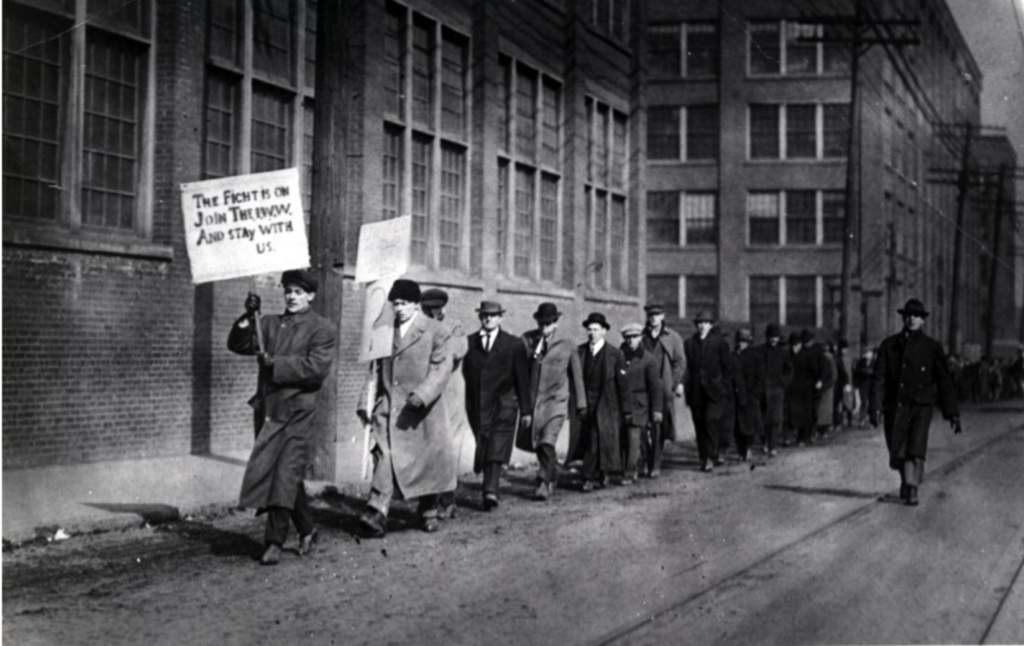
Workers picket with signs around a textile mill as the Lawrence strike begins in 1912. (Wikimedia Commons)
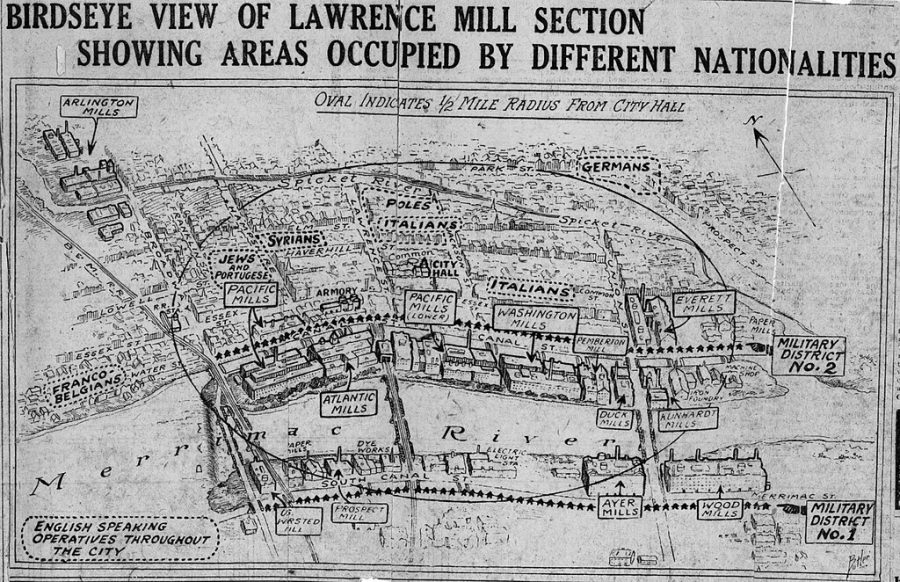
“Short pay, short pay,” shouted the Polish women weavers on January 11, 1912, as they left their looms and walked out of the factory in Lawrence, Massachusetts. The state had recently passed a modest labor reform cutting the maximum number of hours women and children could toil from fifty-six to fifty-four, and employers had promptly docked their pay. The day after the walkout, thousands of mill workers in the area joined them. A week later, the Lawrence mill workers’ strike was twenty-five thousand workers strong.
This storied labor action, widely known as the “Bread and Roses” strike, succeeded despite phenomenal ruling-class unity and the workers’ extreme deprivation. It deserves to be remembered every year, for its namesake slogan (“The worker must have bread, but she must have roses, too”) and for its stirring example of collective action.